This article is one of our favourites from around the web. We've included an excerpt below but do go and read the original!
As organisations grow, maintenance teams face mounting pressure to manage more assets, cover additional locations, and support expanding operations without proportionally increasing headcount. The right technologies make this scalability possible, enabling maintenance operations to do more with existing resources. Here's which tools deliver the greatest impact.
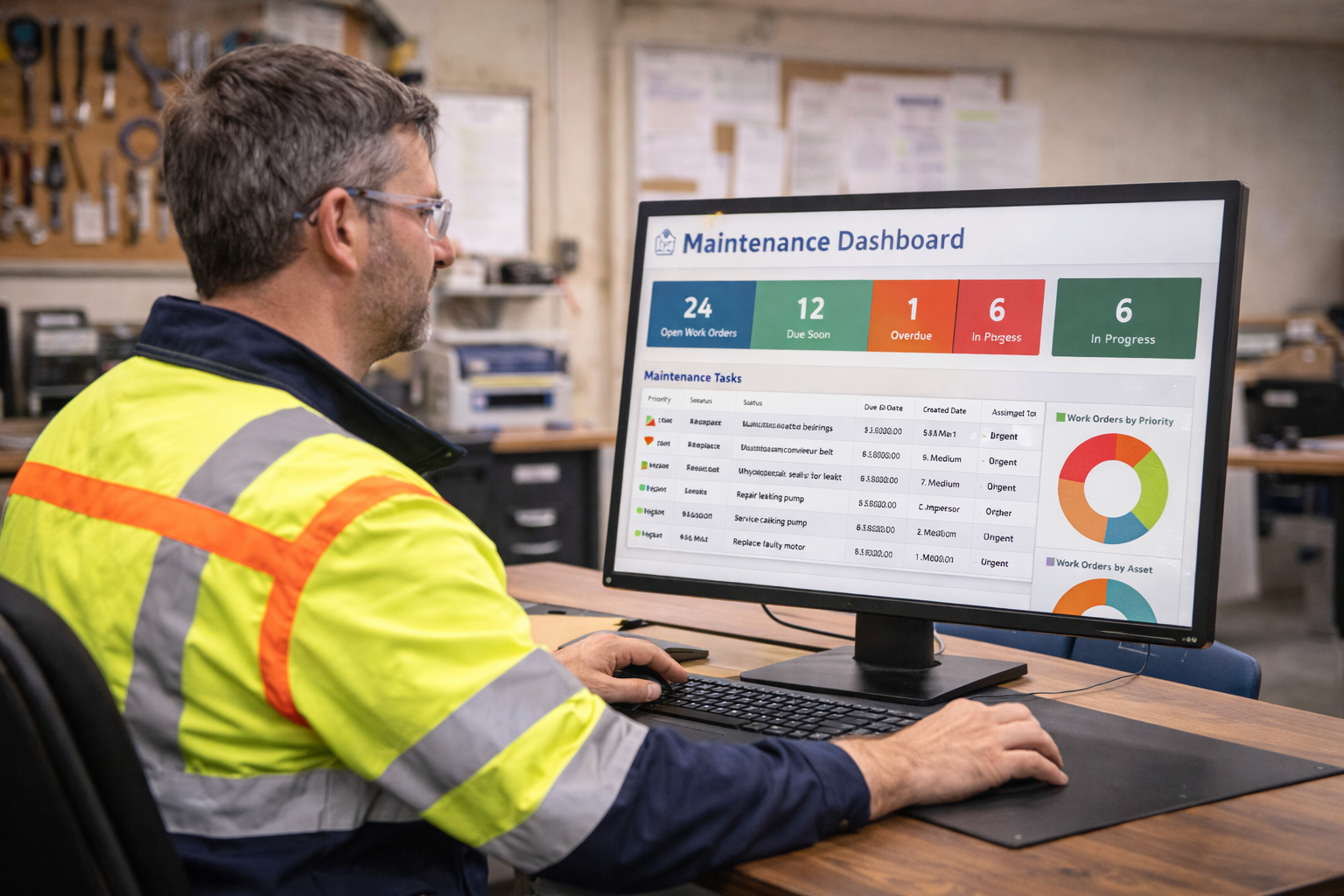
Cloud-based work management systems form the foundation of scalable maintenance operations. These platforms centralise all maintenance activities, work orders, asset information, and documentation in one accessible location. As your organisation grows and adds facilities or equipment, the system scales effortlessly without requiring new infrastructure. Platforms like HINDSITE enable teams to manage thousands of assets across dozens of sites from a single system, something impossible with spreadsheets or paper-based approaches.
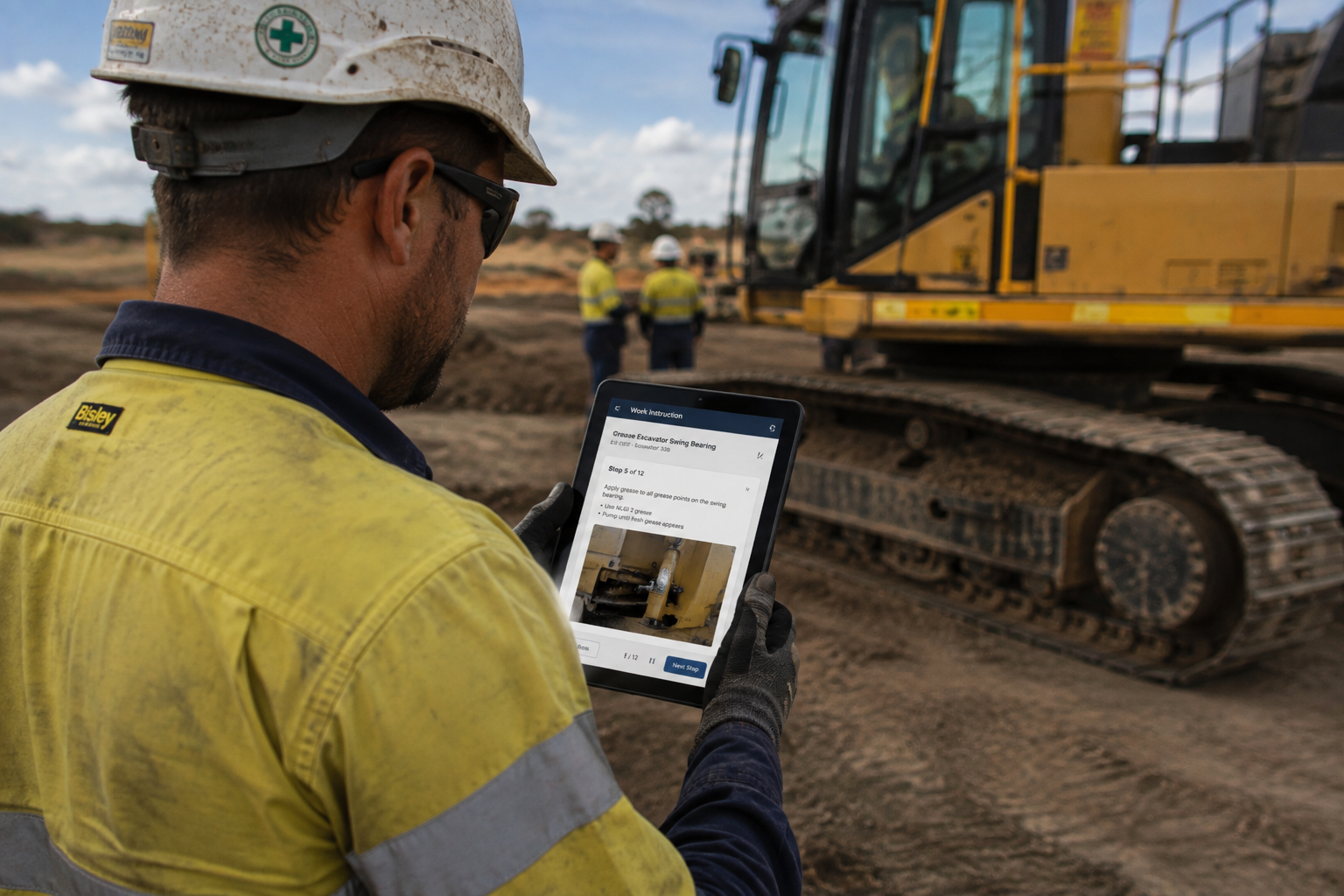
Mobile applications put maintenance management directly in technicians' hands, eliminating time wasted travelling back to offices for paperwork or information. Field teams can receive assignments, access equipment histories, update work orders, and capture photos instantly from any location. When evaluating work management platforms, organisations should prioritise those with native mobile capability, particularly robust offline functionality. Technicians often work in remote locations or areas with poor connectivity - the ability to access critical information and complete work orders without internet connection is essential for maintaining productivity as operations scale geographically.
As maintenance operations expand, tracking spare parts across multiple locations becomes increasingly complex. Integrated inventory management systems monitor stock levels in real-time, automatically generate reorder alerts, and link directly to work orders so technicians can quickly locate needed parts. This integration prevents the delays and duplicated inventory that plague growing organisations, ensuring parts are available when needed without tying up excessive capital in redundant stock across sites.
Internet of Things technology multiplies a maintenance team's reach exponentially. Sensors continuously monitor equipment health across your entire asset base, alerting teams only when intervention is needed. This eliminates the need for technicians to physically inspect every piece of equipment regularly - a task that becomes impossible as asset counts grow. One technician can effectively oversee hundreds of monitored assets that would otherwise require a much larger team.
Advanced analytics platforms process vast amounts of equipment data to predict failures before they occur. As your operations scale, these systems identify patterns across similar assets at different locations, learning which maintenance strategies work best. This intelligence helps maintenance teams prioritise efforts and allocate resources where they'll have the greatest impact, even as complexity increases.
Automation handles routine administrative tasks that would otherwise overwhelm growing maintenance teams. Automated preventive maintenance scheduling, work order routing, and resource allocation ensure nothing falls through the cracks as operations expand. These systems manage complexity that would require additional administrative staff in traditional operations.
The combination of these technologies enables maintenance operations to scale efficiently, often managing 2-3 times the assets with minimal increases in personnel. Organisations that invest in the right technology stack position themselves for sustainable growth without sacrificing equipment reliability or maintenance quality.
HINDSITE's work management platform that ensures the right job gets done, every time. Connect with our team today.
As organisations grow, maintenance teams face mounting pressure to manage more assets, cover additional locations, and support expanding operations without proportionally increasing headcount. The right technologies make this scalability possible, enabling maintenance operations to do more with existing resources. Here's which tools deliver the greatest impact.
Cloud-based work management systems form the foundation of scalable maintenance operations. These platforms centralise all maintenance activities, work orders, asset information, and documentation in one accessible location. As your organisation grows and adds facilities or equipment, the system scales effortlessly without requiring new infrastructure. Platforms like HINDSITE enable teams to manage thousands of assets across dozens of sites from a single system, something impossible with spreadsheets or paper-based approaches.
Mobile applications put maintenance management directly in technicians' hands, eliminating time wasted travelling back to offices for paperwork or information. Field teams can receive assignments, access equipment histories, update work orders, and capture photos instantly from any location. When evaluating work management platforms, organisations should prioritise those with native mobile capability, particularly robust offline functionality. Technicians often work in remote locations or areas with poor connectivity - the ability to access critical information and complete work orders without internet connection is essential for maintaining productivity as operations scale geographically.
As maintenance operations expand, tracking spare parts across multiple locations becomes increasingly complex. Integrated inventory management systems monitor stock levels in real-time, automatically generate reorder alerts, and link directly to work orders so technicians can quickly locate needed parts. This integration prevents the delays and duplicated inventory that plague growing organisations, ensuring parts are available when needed without tying up excessive capital in redundant stock across sites.
Internet of Things technology multiplies a maintenance team's reach exponentially. Sensors continuously monitor equipment health across your entire asset base, alerting teams only when intervention is needed. This eliminates the need for technicians to physically inspect every piece of equipment regularly - a task that becomes impossible as asset counts grow. One technician can effectively oversee hundreds of monitored assets that would otherwise require a much larger team.
Advanced analytics platforms process vast amounts of equipment data to predict failures before they occur. As your operations scale, these systems identify patterns across similar assets at different locations, learning which maintenance strategies work best. This intelligence helps maintenance teams prioritise efforts and allocate resources where they'll have the greatest impact, even as complexity increases.
Automation handles routine administrative tasks that would otherwise overwhelm growing maintenance teams. Automated preventive maintenance scheduling, work order routing, and resource allocation ensure nothing falls through the cracks as operations expand. These systems manage complexity that would require additional administrative staff in traditional operations.
The combination of these technologies enables maintenance operations to scale efficiently, often managing 2-3 times the assets with minimal increases in personnel. Organisations that invest in the right technology stack position themselves for sustainable growth without sacrificing equipment reliability or maintenance quality.


.png)
.png)