This article is one of our favourites from around the web. We've included an excerpt below but do go and read the original!
Choosing the right work management platform can transform maintenance operations, but the wrong choice leaves teams frustrated with clunky systems that create more work than they eliminate. Understanding which features truly matter helps you select a platform that supports rather than hinders your maintenance team's effectiveness.
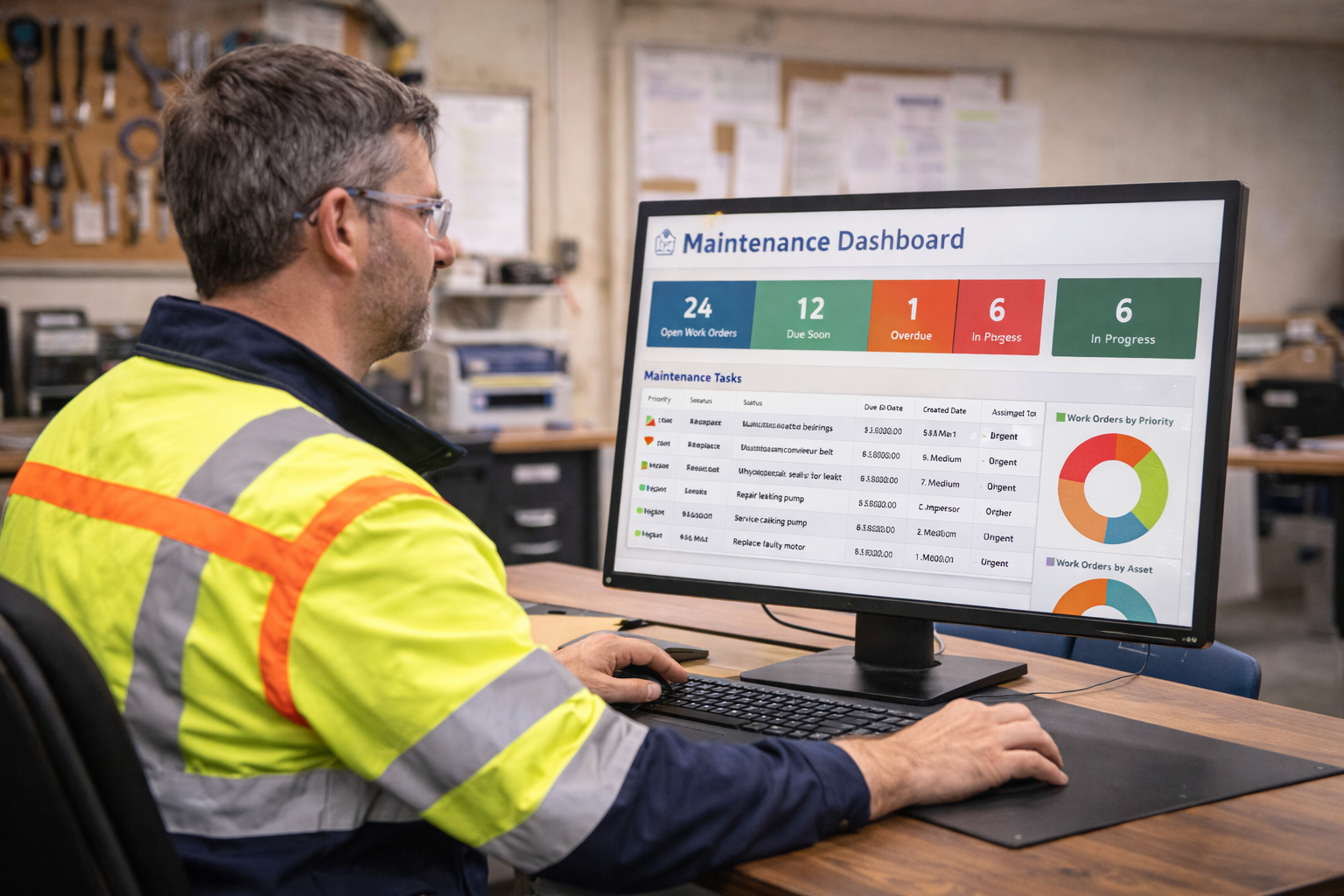
At its core, any maintenance platform must handle work orders efficiently. This means easy creation, assignment, and tracking of maintenance tasks with clear priorities, detailed descriptions, and the ability to capture photos and evidence of work completed. Technicians need to update status in real-time, record time spent, document parts used, and note findings. Supervisors require dashboard views showing all active work, overdue tasks, and team workload to allocate resources effectively.
The platform should maintain detailed records for every piece of equipment including specifications, location, purchase date, warranty information, and complete maintenance history. This centralised asset database lets technicians quickly access everything they need to know about equipment before starting work, whilst managers can analyse which assets consume the most resources or fail most frequently.
Automated scheduling is essential for proactive maintenance. The system should generate recurring work orders based on time intervals, usage metrics, or calendar dates without manual intervention. Customisable schedules for different equipment types, the ability to adjust frequencies as needed, and alerts when preventative maintenance is overdue ensure your proactive programme runs consistently.
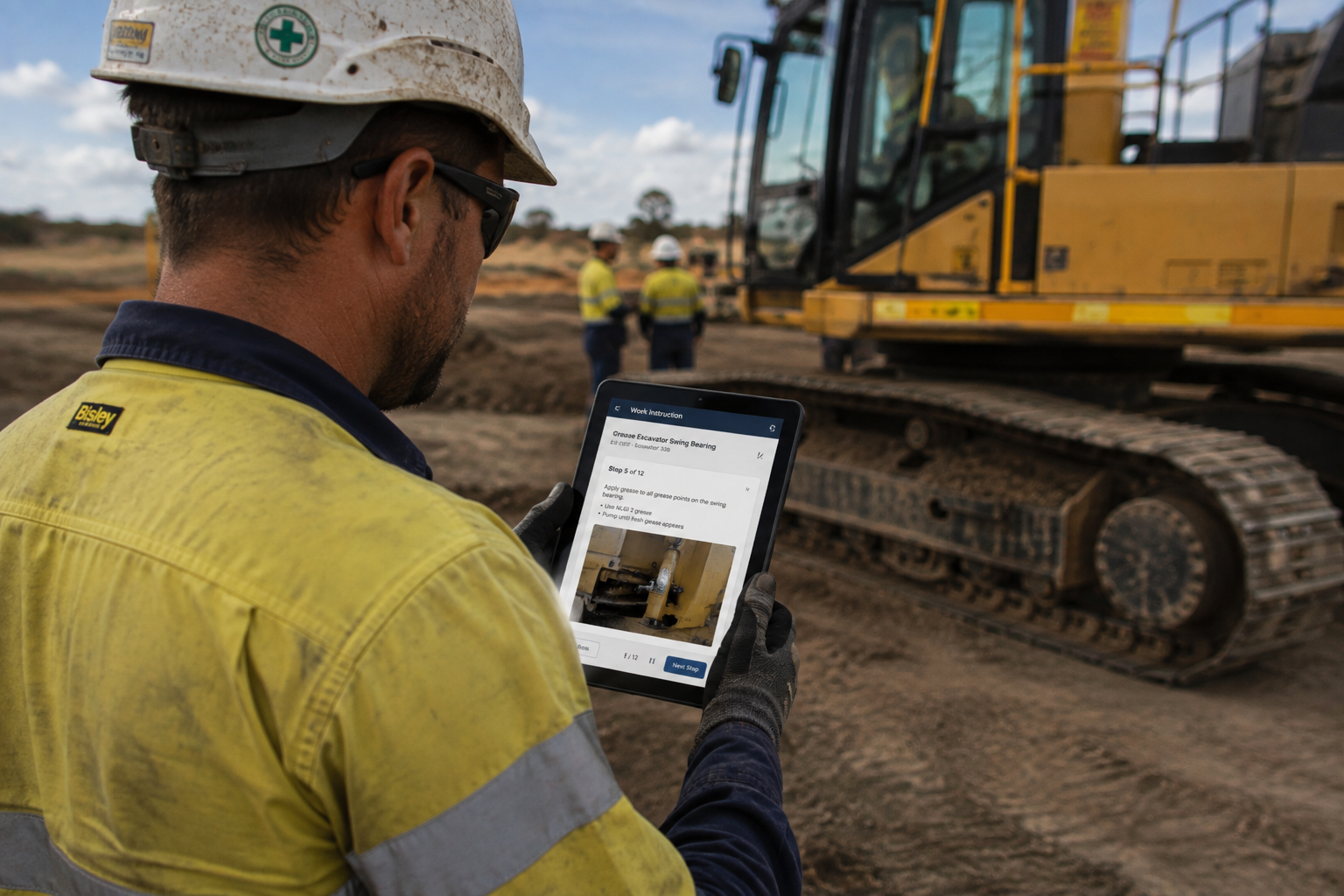
Technicians work in the field, not at desks. Native mobile apps let them receive assignments, access information, and complete work orders from anywhere. Critically, the platform must function offline as remote sites and industrial facilities often have poor connectivity. Technicians should be able to work completely offline with data syncing automatically when connection returns, preventing connectivity issues from halting productivity.
Time spent manually compiling service reports is time not spent on billable work. The platform should automatically generate professional work records from completed work orders, pulling together task details, time stamps, parts used, photos captured, and technician notes into polished documents ready for customer review. This automation eliminates hours of administrative work whilst ensuring customers receive comprehensive documentation quickly, accelerating your invoicing cycle and improving cash flow.
Integrated inventory tracking shows what spare parts are available, where they're located, and when stock is running low. The system should link parts directly to work orders, automatically deducting inventory when used and generating reorder alerts before critical components run out. This integration prevents delays caused by missing parts whilst avoiding excessive inventory costs.
Data without insights is useless. Look for platforms offering meaningful reports on key metrics like equipment uptime, maintenance costs per asset, work order completion rates, and preventative maintenance compliance. Customisable dashboards let different stakeholders access the information they need, from technician productivity to budget variance, enabling data-driven decision-making.
Sophisticated features mean nothing if your team won't use them. The platform should have an intuitive interface that technicians can navigate with minimal training. Complicated systems with steep learning curves face resistance and poor adoption, undermining any potential benefits.
The best work management platform combines these essential features into a cohesive system that makes maintenance operations more efficient rather than adding administrative burden. Platforms like HINDSITE are purpose-built for maintenance operations, offering these capabilities in an integrated solution designed specifically for the challenges maintenance teams face daily.
HINDSITE's work management platform that ensures the right job gets done, every time. Connect with our team today.
Choosing the right work management platform can transform maintenance operations, but the wrong choice leaves teams frustrated with clunky systems that create more work than they eliminate. Understanding which features truly matter helps you select a platform that supports rather than hinders your maintenance team's effectiveness.
At its core, any maintenance platform must handle work orders efficiently. This means easy creation, assignment, and tracking of maintenance tasks with clear priorities, detailed descriptions, and the ability to capture photos and evidence of work completed. Technicians need to update status in real-time, record time spent, document parts used, and note findings. Supervisors require dashboard views showing all active work, overdue tasks, and team workload to allocate resources effectively.
The platform should maintain detailed records for every piece of equipment including specifications, location, purchase date, warranty information, and complete maintenance history. This centralised asset database lets technicians quickly access everything they need to know about equipment before starting work, whilst managers can analyse which assets consume the most resources or fail most frequently.
Automated scheduling is essential for proactive maintenance. The system should generate recurring work orders based on time intervals, usage metrics, or calendar dates without manual intervention. Customisable schedules for different equipment types, the ability to adjust frequencies as needed, and alerts when preventative maintenance is overdue ensure your proactive programme runs consistently.
Technicians work in the field, not at desks. Native mobile apps let them receive assignments, access information, and complete work orders from anywhere. Critically, the platform must function offline as remote sites and industrial facilities often have poor connectivity. Technicians should be able to work completely offline with data syncing automatically when connection returns, preventing connectivity issues from halting productivity.
Time spent manually compiling service reports is time not spent on billable work. The platform should automatically generate professional work records from completed work orders, pulling together task details, time stamps, parts used, photos captured, and technician notes into polished documents ready for customer review. This automation eliminates hours of administrative work whilst ensuring customers receive comprehensive documentation quickly, accelerating your invoicing cycle and improving cash flow.
Integrated inventory tracking shows what spare parts are available, where they're located, and when stock is running low. The system should link parts directly to work orders, automatically deducting inventory when used and generating reorder alerts before critical components run out. This integration prevents delays caused by missing parts whilst avoiding excessive inventory costs.
Data without insights is useless. Look for platforms offering meaningful reports on key metrics like equipment uptime, maintenance costs per asset, work order completion rates, and preventative maintenance compliance. Customisable dashboards let different stakeholders access the information they need, from technician productivity to budget variance, enabling data-driven decision-making.
Sophisticated features mean nothing if your team won't use them. The platform should have an intuitive interface that technicians can navigate with minimal training. Complicated systems with steep learning curves face resistance and poor adoption, undermining any potential benefits.
The best work management platform combines these essential features into a cohesive system that makes maintenance operations more efficient rather than adding administrative burden. Platforms like HINDSITE are purpose-built for maintenance operations, offering these capabilities in an integrated solution designed specifically for the challenges maintenance teams face daily.


.png)
.png)