This article is one of our favourites from around the web. We've included an excerpt below but do go and read the original!
Running an engine or component rebuilding shop means juggling dozens of jobs simultaneously - each at different stages, each with unique customer requirements, and each demanding precise tracking of cores, parts, and labour. One misplaced core or forgotten machining step can derail profitability on an entire job. Industry veterans know that labour costing and core management represent the key factors that can make or break a rebuilding operation, with shops closing their doors because they thought their costs were one thing when they were actually something completely different. Here's how to bring order to the complexity and build a thriving rebuilding business.
Core tracking might be your biggest operational headache. Cores arrive in various conditions, get disassembled, have components sent out for machining, receive new parts, get reassembled, and hopefully get returned to customers - all whilst you're managing dozens of other cores simultaneously. Lose track of one core or miscount your rebuildable inventory, and you've got a serious problem.
Manual tracking through spreadsheets or paper systems creates countless opportunities for errors. A core gets logged incorrectly at intake, parts from different jobs get mixed during machining, or rebuild status doesn't get updated when work completes. Before you know it, you're telling customers their engine is ready when it's actually still in pieces, or you're scrambling to locate cores you thought were in stock.
Digital work management platforms transform core tracking by providing real-time visibility into every core's status and location. When cores arrive, they're logged with photos documenting their condition. As work progresses through teardown, machining, assembly, and testing, status updates flow automatically. You know exactly which cores are awaiting parts, which are in assembly, and which are ready for pickup - without hunting through paperwork or relying on memory.
Too many rebuilders operate on gut feel when pricing jobs. They estimate labour hours based on what seems reasonable, add parts costs, tack on a margin, and hope it works out. This approach guarantees you're losing money on some jobs without realising it.
Accurate job costing requires tracking actual labour hours against each job, not just estimated time. When a technician spends six hours on a rebuild you quoted for four, you need to know that so you can adjust future quotes. Digital time tracking lets technicians clock hours against specific jobs, automatically calculating true labour costs.
Parts costs also need precise tracking. It's not just the new bearings and gaskets - it's the machining services, the specialised tools consumed, the cleaning chemicals used. Every cost associated with a rebuild must be captured and allocated to the correct job. Without this detail, you're essentially guessing at profitability.
Establish clear processes where technicians document all parts used and time spent on each job. Review actual costs against quoted prices regularly to identify where your estimates miss the mark. This data drives better quotes that protect margins whilst remaining competitive.
Engine rebuilding involves significant machining work - boring, honing, milling, grinding. Some shops handle machining in-house, whilst others outsource to specialist machine shops. Either way, managing this workflow creates coordination challenges.
Blocks and heads sent out for machining can sit for days or weeks at machine shops, creating bottlenecks. Without visibility into machining status, you can't give customers accurate timelines. Components sometimes return with incorrect specifications, requiring rework that delays jobs and erodes margins.
Create clear processes for machining work including detailed specifications provided with every component sent out, expected return dates documented and tracked, quality checks performed immediately when components return, and systematic documentation of machining issues for accountability. Digital platforms allow you to track components at external machine shops, receive status updates, and flag issues before they cause delays.
For in-house machining, schedule equipment maintenance to prevent breakdowns during critical jobs. Track machining equipment usage to understand capacity constraints and identify when additional equipment or outsourcing becomes necessary.
Rebuilding operations require maintaining inventory of common rebuild kits, bearings, gaskets, and seals whilst sourcing specialised components for specific jobs. Balancing inventory investment against the risk of delays from missing parts challenges every shop.
Implement inventory management that tracks usage patterns for common components, identifies slow-moving inventory tying up capital, automates reorder points for high-usage items, and maintains relationships with multiple suppliers for critical components. When parts arrive, match them immediately to specific jobs to prevent components from disappearing into general inventory where they're difficult to locate when needed.
Consider vendor-managed inventory programmes for high-volume components where suppliers maintain stock at your facility and you pay only for what's used. This reduces capital tied up in inventory whilst ensuring parts availability.
Consistency separates professional rebuilding operations from backyard mechanics. When different technicians approach the same engine differently, quality varies and training becomes nearly impossible. Standardised procedures ensure every rebuild meets your quality standards regardless of who performs the work.
Document your rebuild procedures for common engines including teardown sequences and inspection points, machining specifications and tolerances, assembly sequences and torque specifications, testing protocols before release, and quality checkpoints throughout the process. Make these procedures accessible to technicians - ideally through mobile devices they can reference whilst working. Photos and diagrams significantly improve comprehension compared to text-only instructions.
Update procedures based on lessons learned from each job. When a technician discovers a better approach or encounters an unusual issue, capture that knowledge systematically so the entire team benefits.
Rebuilding timelines depend on core condition, parts availability, and machining schedules - variables that create uncertainty. Poor communication about delays frustrates customers and damages your reputation, even when delays aren't your fault.
Establish proactive communication protocols including confirmation when cores arrive with initial condition assessment, updates when unexpected issues are discovered during teardown, notification when jobs move to machining or assembly phases, and advance warning if completion will exceed quoted timelines. Digital platforms enable automated customer notifications at key milestones, reducing the administrative burden whilst keeping customers informed.
Be honest about timelines. Customers appreciate realistic expectations far more than optimistic promises that aren't met. Build buffer time into quotes for unexpected issues that commonly arise during rebuilds.
Your reputation hinges on quality. An engine that fails shortly after rebuild damages customer relationships and creates expensive warranty claims. Systematic quality control throughout the rebuild process prevents issues before engines leave your shop.
Implement inspection checkpoints at critical stages including incoming core condition documentation, post-teardown component measurement and assessment, verification of machining specifications, pre-assembly component checks, and post-assembly testing protocols. Document all measurements and test results, creating permanent records that prove work was performed to specification. This documentation protects you if warranty claims arise and provides valuable data for continuous improvement.
Invest in proper testing equipment - run stands with instrumentation to verify oil pressure, temperature, and performance before releasing rebuilt engines. The cost of testing equipment is minimal compared to the expense of failed rebuilds.
Rebuilding demands specialised skills that take years to develop. As experienced rebuilders retire, capturing their knowledge becomes critical. Don't let decades of expertise walk out the door when veteran technicians leave.
Create mentorship programmes pairing experienced rebuilders with newer technicians, document troubleshooting insights and specialty procedures in your knowledge base, and provide ongoing training on new engine technologies and rebuild techniques. Encourage technicians to specialise in specific engine families where they can develop deep expertise. A technician who becomes the shop's expert on Detroit Diesel or Cummins engines adds significant value through efficiency and problem-solving capabilities.
Recognise and reward quality work. Technicians who consistently deliver excellent rebuilds whilst meeting timelines deserve acknowledgment and compensation that reflects their value to your operation.
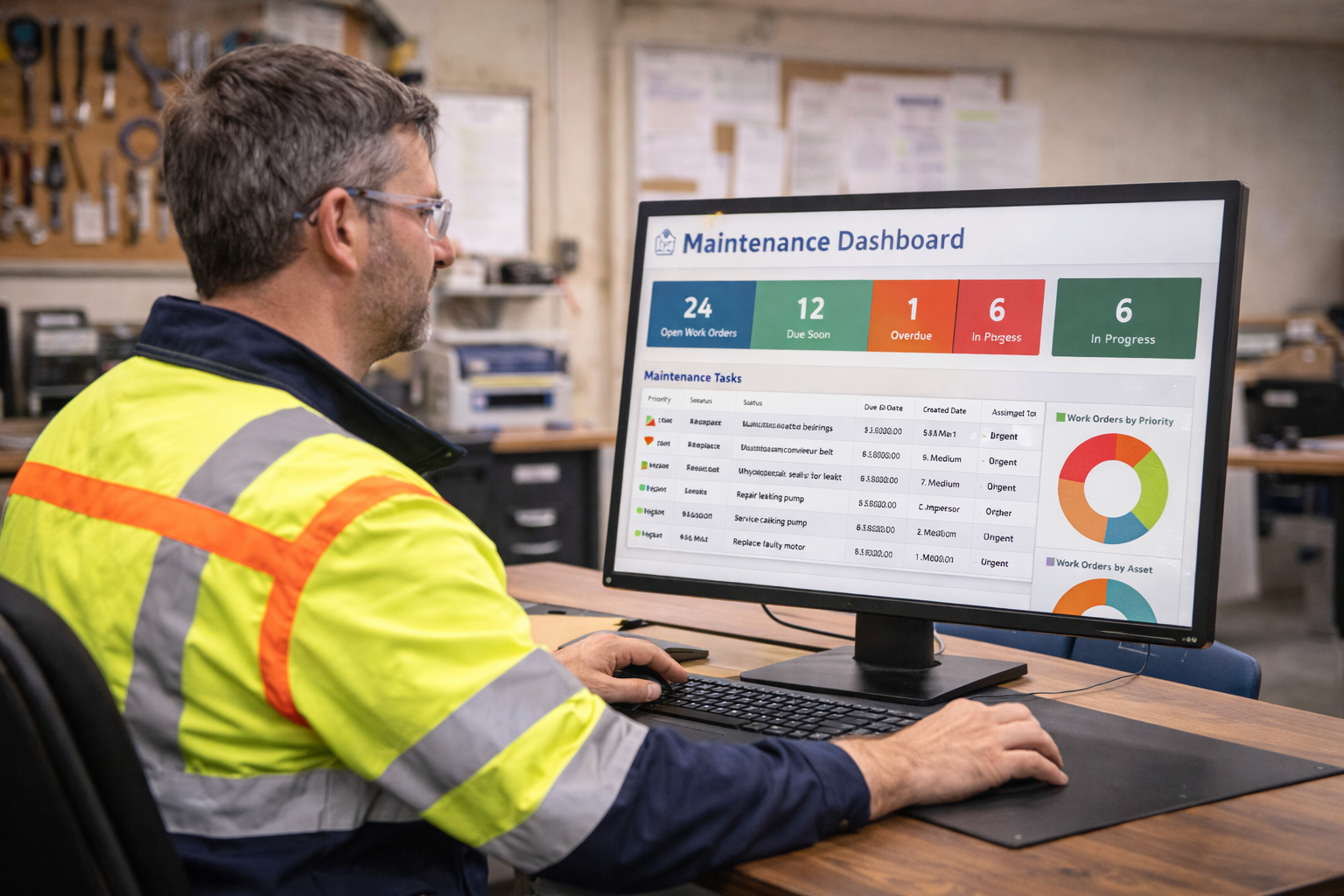
Modern rebuilding shops need digital tools to compete effectively. Work management platforms like HINDSITE provide the infrastructure to manage complex rebuilding operations by centralising job information, core tracking, parts management, and customer communication in one system.
These platforms deliver real-time visibility into shop capacity, job status, and profitability. Mobile access ensures technicians can update job status, access procedures, and request parts without leaving the shop floor.
The data captured through digital platforms reveals operational insights impossible to see with manual systems. Analyse which engine types generate the best margins, identify bottlenecks in your workflow, track actual versus estimated labour hours, and make evidence-based decisions about where to focus improvement efforts.
Engine and component rebuilding demands precision in both technical work and business operations. Shops that implement systematic approaches to core management, job costing, workflow coordination, and quality control separate themselves from competitors struggling with chaos and inconsistency. The rebuilders thriving today aren't necessarily those with the fanciest equipment - they're those who've built repeatable processes, captured institutional knowledge, and leveraged technology to manage complexity. Start by addressing your biggest operational pain point, whether that's core tracking, job costing accuracy, or customer communication. Implement solutions, measure results, and expand systematically. With the right systems and discipline, you'll build a rebuilding operation that delivers consistent quality, predictable profitability, and satisfied customers who return job after job.
HINDSITE's work management platform that ensures the right job gets done, every time. Connect with our team today.
Running an engine or component rebuilding shop means juggling dozens of jobs simultaneously - each at different stages, each with unique customer requirements, and each demanding precise tracking of cores, parts, and labour. One misplaced core or forgotten machining step can derail profitability on an entire job. Industry veterans know that labour costing and core management represent the key factors that can make or break a rebuilding operation, with shops closing their doors because they thought their costs were one thing when they were actually something completely different. Here's how to bring order to the complexity and build a thriving rebuilding business.
Core tracking might be your biggest operational headache. Cores arrive in various conditions, get disassembled, have components sent out for machining, receive new parts, get reassembled, and hopefully get returned to customers - all whilst you're managing dozens of other cores simultaneously. Lose track of one core or miscount your rebuildable inventory, and you've got a serious problem.
Manual tracking through spreadsheets or paper systems creates countless opportunities for errors. A core gets logged incorrectly at intake, parts from different jobs get mixed during machining, or rebuild status doesn't get updated when work completes. Before you know it, you're telling customers their engine is ready when it's actually still in pieces, or you're scrambling to locate cores you thought were in stock.
Digital work management platforms transform core tracking by providing real-time visibility into every core's status and location. When cores arrive, they're logged with photos documenting their condition. As work progresses through teardown, machining, assembly, and testing, status updates flow automatically. You know exactly which cores are awaiting parts, which are in assembly, and which are ready for pickup - without hunting through paperwork or relying on memory.
Too many rebuilders operate on gut feel when pricing jobs. They estimate labour hours based on what seems reasonable, add parts costs, tack on a margin, and hope it works out. This approach guarantees you're losing money on some jobs without realising it.
Accurate job costing requires tracking actual labour hours against each job, not just estimated time. When a technician spends six hours on a rebuild you quoted for four, you need to know that so you can adjust future quotes. Digital time tracking lets technicians clock hours against specific jobs, automatically calculating true labour costs.
Parts costs also need precise tracking. It's not just the new bearings and gaskets - it's the machining services, the specialised tools consumed, the cleaning chemicals used. Every cost associated with a rebuild must be captured and allocated to the correct job. Without this detail, you're essentially guessing at profitability.
Establish clear processes where technicians document all parts used and time spent on each job. Review actual costs against quoted prices regularly to identify where your estimates miss the mark. This data drives better quotes that protect margins whilst remaining competitive.
Engine rebuilding involves significant machining work - boring, honing, milling, grinding. Some shops handle machining in-house, whilst others outsource to specialist machine shops. Either way, managing this workflow creates coordination challenges.
Blocks and heads sent out for machining can sit for days or weeks at machine shops, creating bottlenecks. Without visibility into machining status, you can't give customers accurate timelines. Components sometimes return with incorrect specifications, requiring rework that delays jobs and erodes margins.
Create clear processes for machining work including detailed specifications provided with every component sent out, expected return dates documented and tracked, quality checks performed immediately when components return, and systematic documentation of machining issues for accountability. Digital platforms allow you to track components at external machine shops, receive status updates, and flag issues before they cause delays.
For in-house machining, schedule equipment maintenance to prevent breakdowns during critical jobs. Track machining equipment usage to understand capacity constraints and identify when additional equipment or outsourcing becomes necessary.
Rebuilding operations require maintaining inventory of common rebuild kits, bearings, gaskets, and seals whilst sourcing specialised components for specific jobs. Balancing inventory investment against the risk of delays from missing parts challenges every shop.
Implement inventory management that tracks usage patterns for common components, identifies slow-moving inventory tying up capital, automates reorder points for high-usage items, and maintains relationships with multiple suppliers for critical components. When parts arrive, match them immediately to specific jobs to prevent components from disappearing into general inventory where they're difficult to locate when needed.
Consider vendor-managed inventory programmes for high-volume components where suppliers maintain stock at your facility and you pay only for what's used. This reduces capital tied up in inventory whilst ensuring parts availability.
Consistency separates professional rebuilding operations from backyard mechanics. When different technicians approach the same engine differently, quality varies and training becomes nearly impossible. Standardised procedures ensure every rebuild meets your quality standards regardless of who performs the work.
Document your rebuild procedures for common engines including teardown sequences and inspection points, machining specifications and tolerances, assembly sequences and torque specifications, testing protocols before release, and quality checkpoints throughout the process. Make these procedures accessible to technicians - ideally through mobile devices they can reference whilst working. Photos and diagrams significantly improve comprehension compared to text-only instructions.
Update procedures based on lessons learned from each job. When a technician discovers a better approach or encounters an unusual issue, capture that knowledge systematically so the entire team benefits.
Rebuilding timelines depend on core condition, parts availability, and machining schedules - variables that create uncertainty. Poor communication about delays frustrates customers and damages your reputation, even when delays aren't your fault.
Establish proactive communication protocols including confirmation when cores arrive with initial condition assessment, updates when unexpected issues are discovered during teardown, notification when jobs move to machining or assembly phases, and advance warning if completion will exceed quoted timelines. Digital platforms enable automated customer notifications at key milestones, reducing the administrative burden whilst keeping customers informed.
Be honest about timelines. Customers appreciate realistic expectations far more than optimistic promises that aren't met. Build buffer time into quotes for unexpected issues that commonly arise during rebuilds.
Your reputation hinges on quality. An engine that fails shortly after rebuild damages customer relationships and creates expensive warranty claims. Systematic quality control throughout the rebuild process prevents issues before engines leave your shop.
Implement inspection checkpoints at critical stages including incoming core condition documentation, post-teardown component measurement and assessment, verification of machining specifications, pre-assembly component checks, and post-assembly testing protocols. Document all measurements and test results, creating permanent records that prove work was performed to specification. This documentation protects you if warranty claims arise and provides valuable data for continuous improvement.
Invest in proper testing equipment - run stands with instrumentation to verify oil pressure, temperature, and performance before releasing rebuilt engines. The cost of testing equipment is minimal compared to the expense of failed rebuilds.
Rebuilding demands specialised skills that take years to develop. As experienced rebuilders retire, capturing their knowledge becomes critical. Don't let decades of expertise walk out the door when veteran technicians leave.
Create mentorship programmes pairing experienced rebuilders with newer technicians, document troubleshooting insights and specialty procedures in your knowledge base, and provide ongoing training on new engine technologies and rebuild techniques. Encourage technicians to specialise in specific engine families where they can develop deep expertise. A technician who becomes the shop's expert on Detroit Diesel or Cummins engines adds significant value through efficiency and problem-solving capabilities.
Recognise and reward quality work. Technicians who consistently deliver excellent rebuilds whilst meeting timelines deserve acknowledgment and compensation that reflects their value to your operation.
Modern rebuilding shops need digital tools to compete effectively. Work management platforms like HINDSITE provide the infrastructure to manage complex rebuilding operations by centralising job information, core tracking, parts management, and customer communication in one system.
These platforms deliver real-time visibility into shop capacity, job status, and profitability. Mobile access ensures technicians can update job status, access procedures, and request parts without leaving the shop floor.
The data captured through digital platforms reveals operational insights impossible to see with manual systems. Analyse which engine types generate the best margins, identify bottlenecks in your workflow, track actual versus estimated labour hours, and make evidence-based decisions about where to focus improvement efforts.
Engine and component rebuilding demands precision in both technical work and business operations. Shops that implement systematic approaches to core management, job costing, workflow coordination, and quality control separate themselves from competitors struggling with chaos and inconsistency. The rebuilders thriving today aren't necessarily those with the fanciest equipment - they're those who've built repeatable processes, captured institutional knowledge, and leveraged technology to manage complexity. Start by addressing your biggest operational pain point, whether that's core tracking, job costing accuracy, or customer communication. Implement solutions, measure results, and expand systematically. With the right systems and discipline, you'll build a rebuilding operation that delivers consistent quality, predictable profitability, and satisfied customers who return job after job.


.png)
.png)