This article is one of our favourites from around the web. We've included an excerpt below but do go and read the original!
Every maintenance manager faces a fundamental question: should we fix equipment when it breaks, or should we maintain it before problems occur? This isn't just a philosophical debate - it's a decision with massive financial implications. Research shows that unplanned maintenance typically costs three times more than planned maintenance, whilst organisations relying predominantly on reactive approaches experience 3.3 times more downtime than those using proactive strategies. Understanding the difference between these approaches and knowing when to use each is essential for operational success.
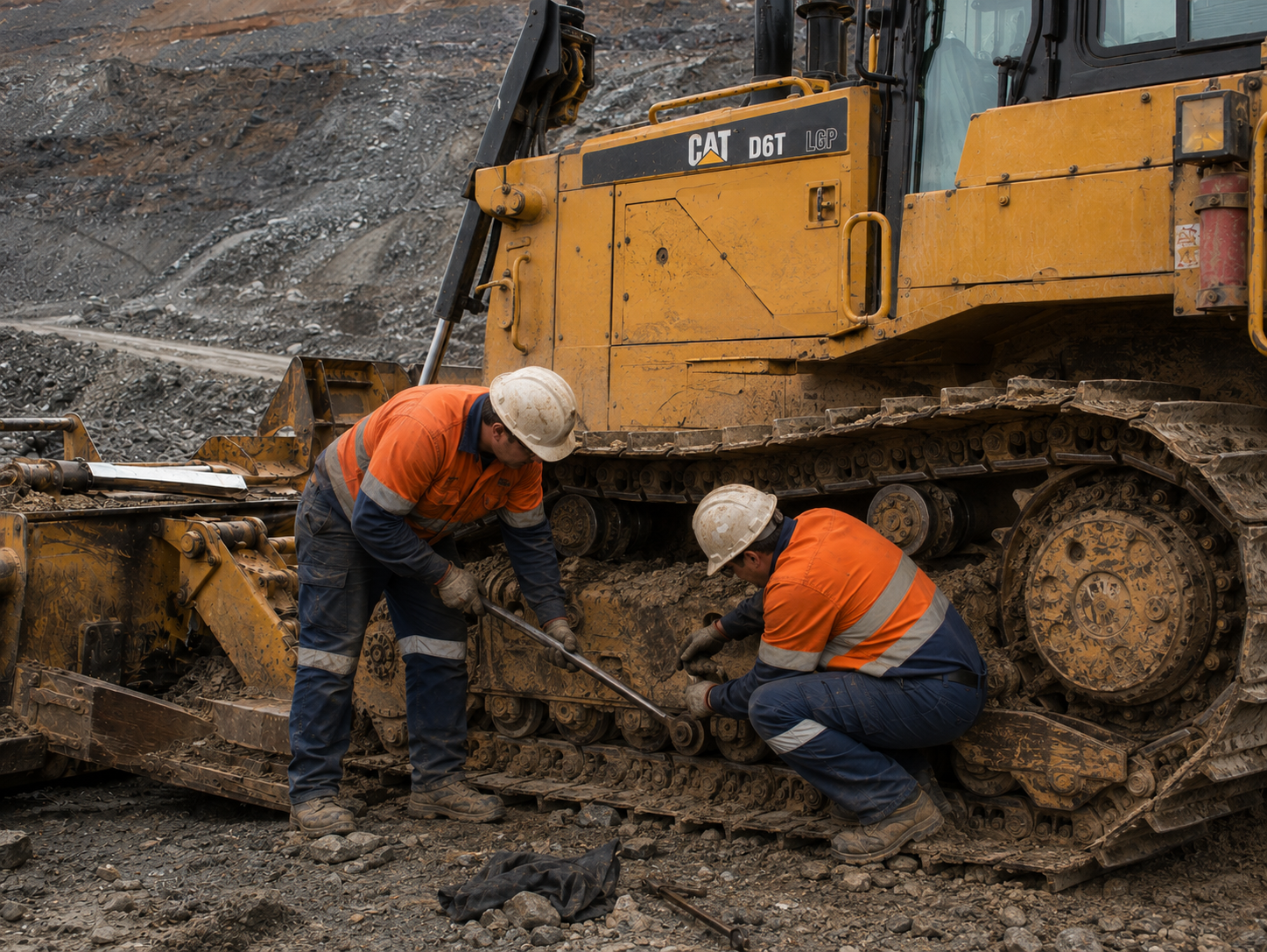
Reactive maintenance, also called "run-to-failure" or breakdown maintenance, means fixing equipment only after it stops working. When a motor burns out or a conveyor belt snaps, you call in technicians to repair it. This approach requires minimal planning or upfront investment - you simply respond to problems as they arise.
For certain situations, reactive maintenance makes perfect sense. If parts are inexpensive and simple to replace, and failure doesn't affect any high-value assets or production, waiting until something breaks can be the most economical choice. Think of replacing a lightbulb in an office - the low cost and minimal impact make scheduled replacement wasteful.
However, most industrial equipment doesn't fit this profile. When critical machinery fails unexpectedly, the consequences extend far beyond the repair itself. Production stops, orders get delayed, workers sit idle, and safety risks increase during rushed repairs and equipment restarts.
Whilst reactive maintenance appears cheaper initially because you're not investing in preventive activities, the true costs quickly mount. Emergency repairs require premium parts, expedited shipping to get components delivered urgently, overtime pay for technicians working outside normal hours, and lost production revenue during unplanned downtime.
Studies indicate that organisations can end up spending 2 to 5 times more with reactive approaches compared to proactive strategies. Beyond direct costs, reactive maintenance creates operational chaos - your team constantly fights fires rather than working systematically, maintenance budgets fluctuate unpredictably, equipment lifespan decreases due to lack of care, and employee morale suffers from the constant crisis mode.
Currently, 21% of organisations still rely primarily on reactive maintenance despite these drawbacks. The barriers are often financial constraints or organisational resistance to change, but the perceived savings rarely materialise when you account for total costs.
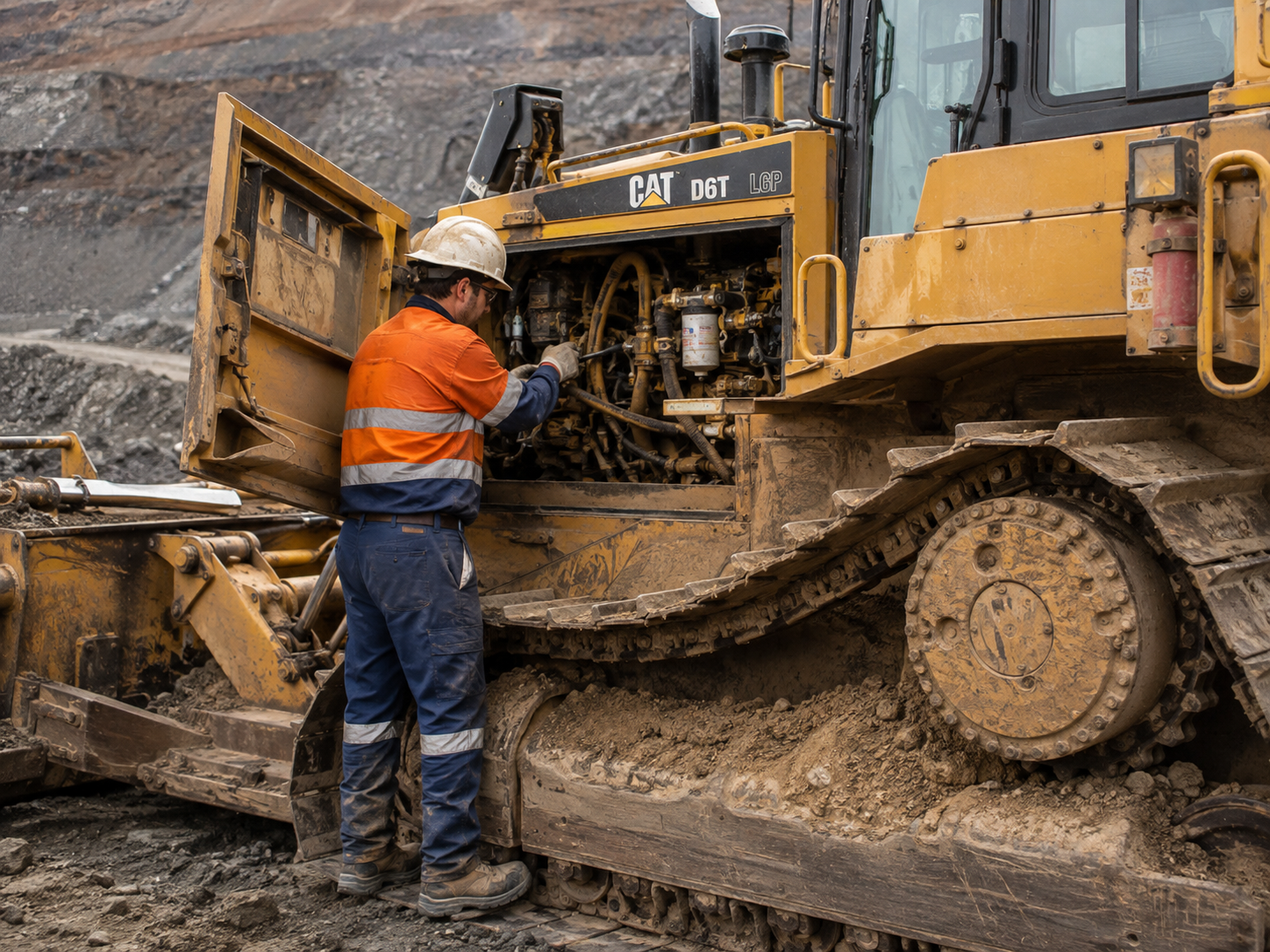
Proactive maintenance takes a preventative approach, addressing potential problems before they cause failures. This umbrella term includes several strategies: preventive maintenance based on time intervals or usage metrics, predictive maintenance using condition monitoring and data analysis, and condition-based maintenance triggered by actual equipment health indicators.
The goal is simple: prevent unexpected breakdowns by maintaining equipment systematically. Regular inspections identify wear before it causes failure. Scheduled replacements happen during planned downtime rather than in the middle of production runs. Monitoring systems alert you to developing problems whilst there's still time to address them efficiently.
Proactive maintenance requires upfront investment in planning, scheduling, monitoring systems, and regular maintenance activities. You're spending money before equipment breaks, which can feel counterintuitive. However, this investment pays dividends through reduced emergency repairs, minimised downtime, extended equipment life, and predictable maintenance budgets.
The numbers strongly favour proactive approaches. Companies implementing preventive maintenance save between 12% and 18% compared to reactive maintenance, with each dollar spent on preventive work saving an average of $5 in future costs. Predictive maintenance delivers even better returns, saving 8% to 12% over preventive maintenance and up to 40% over reactive approaches.
Beyond direct cost savings, proactive maintenance delivers operational benefits that impact your bottom line. Downtime decreases by an average of 44% for organisations with comprehensive maintenance programmes. Defect rates fall by 54%, reducing quality issues and customer complaints. Lost sales due to maintenance-related delays drop by 29%, protecting revenue streams.
Top-performing organisations aim for approximately 75% proactive maintenance and 25% reactive, compared to typical facilities that spend 60% of their time on reactive work. This shift from firefighting to prevention fundamentally changes how maintenance teams operate and the value they deliver.
Despite the clear advantages of proactive maintenance, a 100% proactive approach isn't realistic or even desirable. The key is finding the right balance for your operation based on equipment criticality, failure consequences, and cost considerations.
Use reactive maintenance for non-critical equipment where failure doesn't significantly impact operations or safety, parts that are inexpensive and readily available, and equipment nearing end-of-life where preventive investment doesn't make sense. For example, if a backup pump fails and you have redundancy, reactive maintenance might be appropriate.
Apply proactive maintenance to critical equipment where failure halts production, assets with high repair costs or long lead times for parts, equipment posing safety risks if it fails, and systems subject to regulatory compliance requirements. Your production line's main motor, critical safety systems, and expensive specialised equipment demand proactive attention.
Conduct a criticality assessment of your assets to determine which approach suits each piece of equipment. Not everything deserves the same level of preventive care, and allocating resources wisely maximises your return on investment.
If your organisation currently relies heavily on reactive maintenance, transitioning to a more proactive approach requires systematic effort. Start by identifying your most critical assets and implementing preventive schedules for them first. Prove the value with measurable results before expanding to less critical equipment.
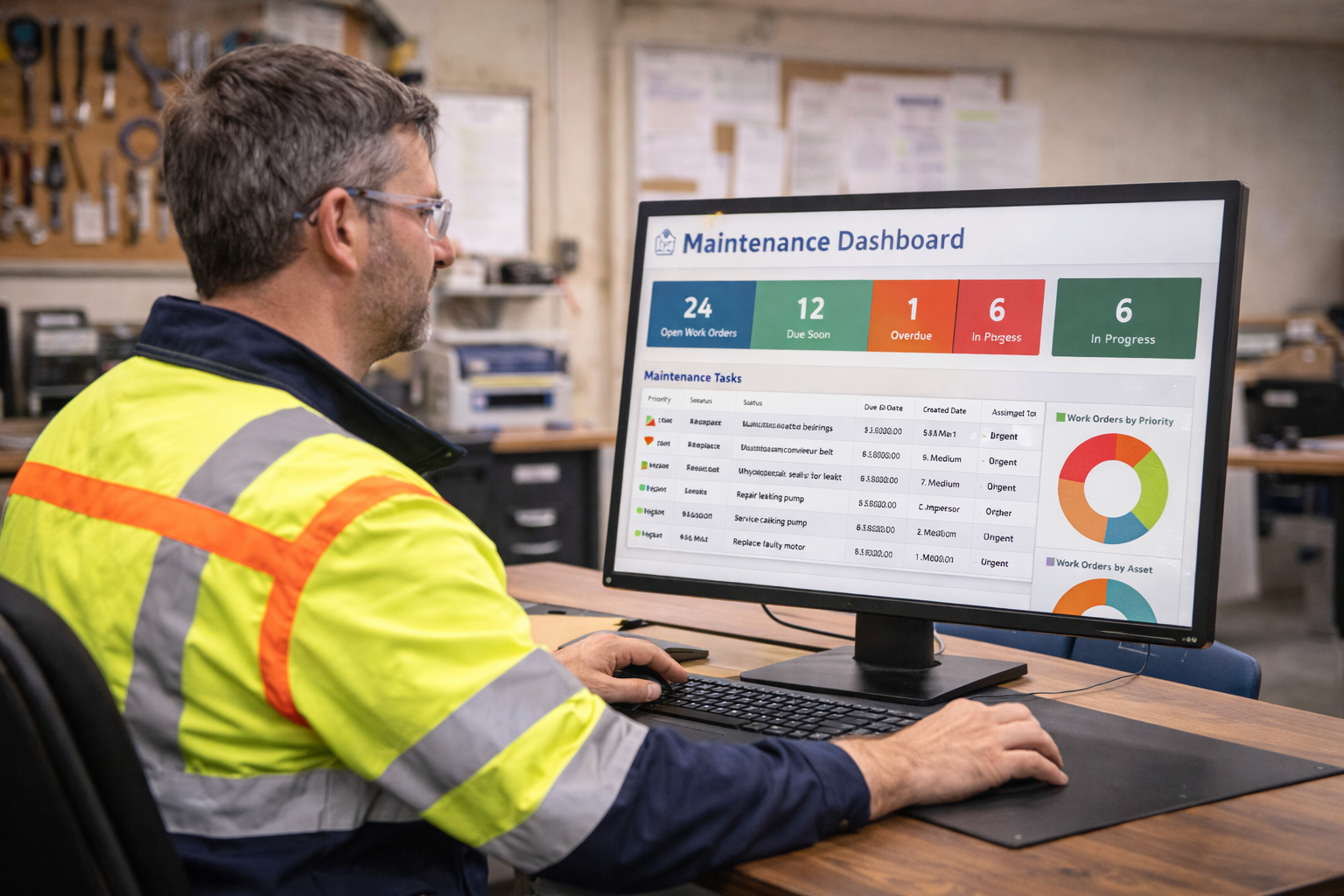
Invest in work management platforms that support proactive maintenance through automated scheduling, condition monitoring integration, and performance tracking. Digital tools make proactive maintenance practical and scalable in ways that paper-based systems never could.
Train your team on proactive methodologies and help them understand why this shift matters. Maintenance technicians accustomed to firefighting may initially resist what feels like "unnecessary" work on equipment that's currently functioning. Education about total cost of ownership and the benefits of prevention builds buy-in.
Track metrics that demonstrate progress. Monitor your reactive-to-proactive ratio, measure downtime trends, calculate maintenance costs per unit produced, and track equipment reliability improvements. Share these results to build support for continued investment in proactive approaches.
So which approach is right? The answer isn't either-or - it's both, applied strategically. The most effective maintenance programmes use predominantly proactive strategies for critical assets whilst accepting reactive maintenance for less important equipment where it makes economic sense.
Your specific balance depends on your industry, equipment types, production requirements, and risk tolerance. A pharmaceutical manufacturer with strict regulatory requirements and high-value production will lean heavily proactive. A small facility with simple, easily replaceable equipment might operate successfully with more reactive maintenance.
The trend is clear: organisations are moving away from reactive approaches towards proactive strategies enabled by better data, improved monitoring technologies, and sophisticated work management platforms. The question isn't whether to make this shift, but how quickly and systematically you can implement it whilst maintaining operational effectiveness.
Start assessing your current maintenance approach today. Calculate what reactive maintenance truly costs when you account for all factors. Identify your most critical assets that would benefit from proactive attention. Then take the first steps towards a balanced strategy that delivers reliability, controls costs, and supports your operational objectives.
HINDSITE's work management platform that ensures the right job gets done, every time. Connect with our team today.
Every maintenance manager faces a fundamental question: should we fix equipment when it breaks, or should we maintain it before problems occur? This isn't just a philosophical debate - it's a decision with massive financial implications. Research shows that unplanned maintenance typically costs three times more than planned maintenance, whilst organisations relying predominantly on reactive approaches experience 3.3 times more downtime than those using proactive strategies. Understanding the difference between these approaches and knowing when to use each is essential for operational success.
Reactive maintenance, also called "run-to-failure" or breakdown maintenance, means fixing equipment only after it stops working. When a motor burns out or a conveyor belt snaps, you call in technicians to repair it. This approach requires minimal planning or upfront investment - you simply respond to problems as they arise.
For certain situations, reactive maintenance makes perfect sense. If parts are inexpensive and simple to replace, and failure doesn't affect any high-value assets or production, waiting until something breaks can be the most economical choice. Think of replacing a lightbulb in an office - the low cost and minimal impact make scheduled replacement wasteful.
However, most industrial equipment doesn't fit this profile. When critical machinery fails unexpectedly, the consequences extend far beyond the repair itself. Production stops, orders get delayed, workers sit idle, and safety risks increase during rushed repairs and equipment restarts.
Whilst reactive maintenance appears cheaper initially because you're not investing in preventive activities, the true costs quickly mount. Emergency repairs require premium parts, expedited shipping to get components delivered urgently, overtime pay for technicians working outside normal hours, and lost production revenue during unplanned downtime.
Studies indicate that organisations can end up spending 2 to 5 times more with reactive approaches compared to proactive strategies. Beyond direct costs, reactive maintenance creates operational chaos - your team constantly fights fires rather than working systematically, maintenance budgets fluctuate unpredictably, equipment lifespan decreases due to lack of care, and employee morale suffers from the constant crisis mode.
Currently, 21% of organisations still rely primarily on reactive maintenance despite these drawbacks. The barriers are often financial constraints or organisational resistance to change, but the perceived savings rarely materialise when you account for total costs.
Proactive maintenance takes a preventative approach, addressing potential problems before they cause failures. This umbrella term includes several strategies: preventive maintenance based on time intervals or usage metrics, predictive maintenance using condition monitoring and data analysis, and condition-based maintenance triggered by actual equipment health indicators.
The goal is simple: prevent unexpected breakdowns by maintaining equipment systematically. Regular inspections identify wear before it causes failure. Scheduled replacements happen during planned downtime rather than in the middle of production runs. Monitoring systems alert you to developing problems whilst there's still time to address them efficiently.
Proactive maintenance requires upfront investment in planning, scheduling, monitoring systems, and regular maintenance activities. You're spending money before equipment breaks, which can feel counterintuitive. However, this investment pays dividends through reduced emergency repairs, minimised downtime, extended equipment life, and predictable maintenance budgets.
The numbers strongly favour proactive approaches. Companies implementing preventive maintenance save between 12% and 18% compared to reactive maintenance, with each dollar spent on preventive work saving an average of $5 in future costs. Predictive maintenance delivers even better returns, saving 8% to 12% over preventive maintenance and up to 40% over reactive approaches.
Beyond direct cost savings, proactive maintenance delivers operational benefits that impact your bottom line. Downtime decreases by an average of 44% for organisations with comprehensive maintenance programmes. Defect rates fall by 54%, reducing quality issues and customer complaints. Lost sales due to maintenance-related delays drop by 29%, protecting revenue streams.
Top-performing organisations aim for approximately 75% proactive maintenance and 25% reactive, compared to typical facilities that spend 60% of their time on reactive work. This shift from firefighting to prevention fundamentally changes how maintenance teams operate and the value they deliver.
Despite the clear advantages of proactive maintenance, a 100% proactive approach isn't realistic or even desirable. The key is finding the right balance for your operation based on equipment criticality, failure consequences, and cost considerations.
Use reactive maintenance for non-critical equipment where failure doesn't significantly impact operations or safety, parts that are inexpensive and readily available, and equipment nearing end-of-life where preventive investment doesn't make sense. For example, if a backup pump fails and you have redundancy, reactive maintenance might be appropriate.
Apply proactive maintenance to critical equipment where failure halts production, assets with high repair costs or long lead times for parts, equipment posing safety risks if it fails, and systems subject to regulatory compliance requirements. Your production line's main motor, critical safety systems, and expensive specialised equipment demand proactive attention.
Conduct a criticality assessment of your assets to determine which approach suits each piece of equipment. Not everything deserves the same level of preventive care, and allocating resources wisely maximises your return on investment.
If your organisation currently relies heavily on reactive maintenance, transitioning to a more proactive approach requires systematic effort. Start by identifying your most critical assets and implementing preventive schedules for them first. Prove the value with measurable results before expanding to less critical equipment.
Invest in work management platforms that support proactive maintenance through automated scheduling, condition monitoring integration, and performance tracking. Digital tools make proactive maintenance practical and scalable in ways that paper-based systems never could.
Train your team on proactive methodologies and help them understand why this shift matters. Maintenance technicians accustomed to firefighting may initially resist what feels like "unnecessary" work on equipment that's currently functioning. Education about total cost of ownership and the benefits of prevention builds buy-in.
Track metrics that demonstrate progress. Monitor your reactive-to-proactive ratio, measure downtime trends, calculate maintenance costs per unit produced, and track equipment reliability improvements. Share these results to build support for continued investment in proactive approaches.
So which approach is right? The answer isn't either-or - it's both, applied strategically. The most effective maintenance programmes use predominantly proactive strategies for critical assets whilst accepting reactive maintenance for less important equipment where it makes economic sense.
Your specific balance depends on your industry, equipment types, production requirements, and risk tolerance. A pharmaceutical manufacturer with strict regulatory requirements and high-value production will lean heavily proactive. A small facility with simple, easily replaceable equipment might operate successfully with more reactive maintenance.
The trend is clear: organisations are moving away from reactive approaches towards proactive strategies enabled by better data, improved monitoring technologies, and sophisticated work management platforms. The question isn't whether to make this shift, but how quickly and systematically you can implement it whilst maintaining operational effectiveness.
Start assessing your current maintenance approach today. Calculate what reactive maintenance truly costs when you account for all factors. Identify your most critical assets that would benefit from proactive attention. Then take the first steps towards a balanced strategy that delivers reliability, controls costs, and supports your operational objectives.


.png)
.png)