This article is one of our favourites from around the web. We've included an excerpt below but do go and read the original!
Managing shutdown projects means orchestrating hundreds of tasks across compressed timelines where every hour of delay costs thousands of dollars in lost production. Research shows that 82% of companies have experienced unscheduled downtime in the last three years, with the average cost of unplanned downtime at $400,000 per hour. When your planned three-week shutdown stretches to five weeks because of poor planning or coordination failures, those costs compound rapidly. Success in shutdown operations demands exceptional planning, flawless execution, and the ability to adapt when inevitable complications arise. Here's how to deliver shutdowns that finish on time, within budget, and ready for reliable operation.
Poor planning represents the single biggest obstacle to successful shutdowns. Many companies underestimate the complexity and time required to inspect, repair, and replace equipment during shutdowns. Research indicates that companies using manual planning methods experience up to 20% longer project durations compared to those utilising advanced digital planning tools.
Start planning months in advance, not weeks. Conduct thorough pre-shutdown inspections to identify all work required rather than discovering problems during the shutdown when costs and time pressures multiply. Develop detailed work packages for every task including precise scope definitions, required materials and equipment, estimated duration and labour requirements, and safety protocols and permits needed.
Create realistic schedules that account for dependencies between tasks. When critical path activities slip, the entire shutdown extends. Build contingency time into schedules for the unexpected technical issues that inevitably emerge. Equipment that looked serviceable during operation often reveals hidden damage during teardown that requires additional repair time.
Document everything systematically. Future shutdowns benefit enormously from detailed records of what was done, how long it actually took, what problems were encountered, and what solutions worked. This institutional knowledge transforms planning from guesswork into data-driven forecasting.
Skilled labour shortage ranks amongst the top challenges facing shutdown operations. Many operators report difficulties sourcing skilled workers for shutdowns, with labour shortages contributing to project delays and cost overruns. The competition for qualified technicians intensifies during peak shutdown season when multiple facilities schedule shutdowns simultaneously.
Lock in competent contractor resources well in advance of your shutdown - ideally six months or more for critical skills. Don't wait until weeks before to begin sourcing labour. The best contractors get booked early, leaving you with less capable options if you wait.
Carefully vet contractor capabilities before engagement. Request references from similar projects, verify certifications and safety records, and confirm they can provide the number of technicians promised. A contractor who commits to 20 workers but arrives with 15 creates immediate schedule pressure.
Establish clear expectations regarding work quality, safety compliance, reporting requirements, and coordination protocols. Daily contractor coordination meetings ensure everyone understands priorities and surface problems whilst they're still manageable. Poor communication between planning teams and contractors leads to missing parts, repeated task rescheduling, and safety concerns.
Consider using work management platforms that provide contractor visibility into work packages, procedures, and progress tracking. Digital coordination reduces the communication overhead that bogs down shutdowns managed through spreadsheets and paper.
Long and unpredictable lead times for parts have become commonplace, creating significant execution risk for shutdowns. A shutdown that extends by days whilst waiting for a critical component devastates both budget and schedule.
Conduct thorough analysis of actual and potential parts required well before the shutdown begins. Don't rely on assumptions about what you'll need - inspect equipment systematically to identify wear, damage, and components approaching end-of-life. Order long-lead-time items months in advance.
Increase your stocked parts for critical components with historically long lead times or high failure rates. The carrying cost of inventory is minimal compared to the cost of extending a shutdown whilst waiting for expedited parts delivery. Utilise more standardised equipment where possible to reduce the variety of spare parts required.
Implement rigorous parts tracking from procurement through installation. When hundreds of components arrive for a shutdown, systematic tracking prevents parts from going missing or being installed on wrong equipment. Digital platforms provide visibility into what's been delivered, where it's stored, and which work packages require which components.
Any lapse in safety during shutdowns could lead to accidents or compliance violations resulting in costly fines - not to mention the human cost of injuries. Shutdown environments create unique hazards with multiple contractors working simultaneously, equipment opened for inspection and repair, and time pressure creating incentives to cut corners.
Conduct thorough hazard identification and assessment before work begins. Identify potential risks associated with specific work activities and implement controls to mitigate them. Ensure all personnel understand the hazards they face and the protective measures required.
Implement strict permit-to-work systems that verify all safety requirements are met before work begins. Hot work permits, confined space entry permits, and isolation certificates must be properly authorised and displayed. Regular safety audits during execution verify compliance and identify unsafe conditions before incidents occur.
Hold daily safety briefings where all workers - both your staff and contractors - review the day's activities, discuss specific hazards, and reinforce safety expectations. Empower anyone to stop work if they observe unsafe conditions without fear of repercussions. Safety cannot be compromised to meet schedule pressures.
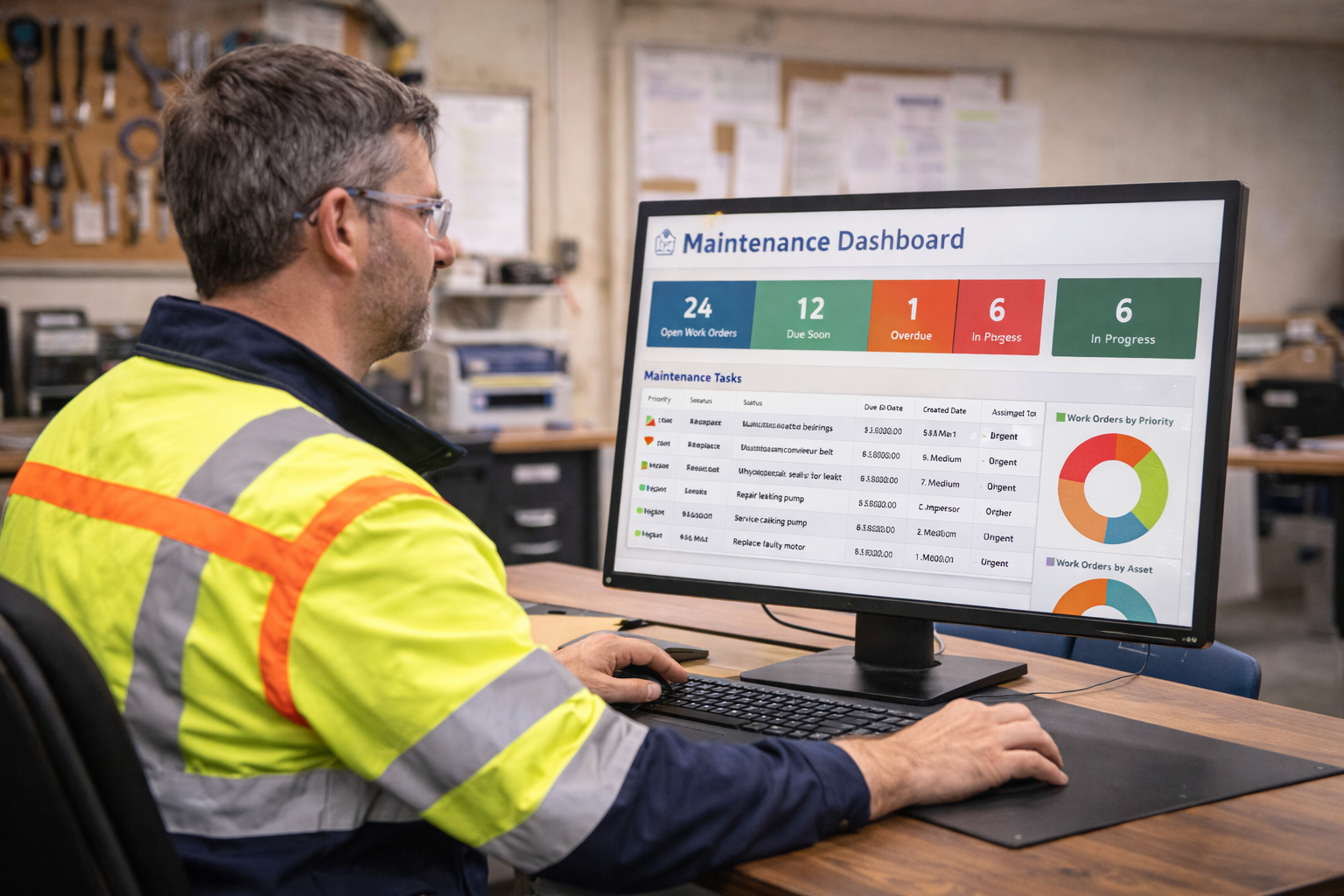
During shutdown execution, visibility into actual progress versus planned progress is critical. Without real-time tracking, you discover schedule slippage only after delays have compounded, leaving insufficient time to recover. Digital work management platforms transform progress tracking by providing instant visibility into work completion status across all activities.
Platforms like HINDSITE enable supervisors to monitor which tasks are complete, which are in progress, and which are experiencing problems - all in real-time rather than waiting for end-of-shift reports. Mobile access allows field personnel to update task status immediately, upload photos documenting work completion, and flag issues requiring attention. This transparency enables proactive intervention before small problems escalate into critical delays.
Implement daily progress review meetings where the entire shutdown team reviews accomplishments, discusses problems encountered, and adjusts plans based on actual conditions. These brief coordination sessions ensure everyone understands priorities and prevents teams from working at cross-purposes. Clear communication protocols reduce the confusion that plagues shutdowns managed through informal coordination.
Maintain regular communication with stakeholders outside the shutdown team. Operations needs to know when equipment will return to service. Procurement needs advance warning when additional parts may be required. Management needs visibility into whether the shutdown will complete on schedule and within budget. Proactive communication manages expectations and enables support when problems arise.
Maintaining high quality standards during shutdowns is crucial for long-term operational reliability. Every task must be performed to exact specifications - shortcuts taken during time-pressured shutdowns lead to premature failures that necessitate expensive unplanned shutdowns later.
Implement multiple inspection checkpoints throughout work execution to catch defects early. Set standards for what "complete" means for each task type - not just that work was done, but that it was done correctly. Require photographic documentation of critical work stages proving proper procedures were followed.
Consider engaging third-party auditors to verify that work meets industry standards, particularly for critical equipment or complex repairs. External audits provide independent verification and often identify issues that internal teams miss.
Document all inspections, measurements, and test results systematically. This documentation proves work was performed to specification, supports warranty claims if problems emerge, and provides valuable reference for future shutdowns. Digital platforms centralise this documentation where it's easily accessible rather than scattered across paper records that get lost.
Despite thorough planning, unexpected issues emerge during shutdowns that require scope adjustments. Equipment reveals hidden damage during teardown, regulatory requirements change, or operations requests additional work whilst the unit is already down. The challenge is managing these changes without derailing your schedule and budget.
Establish a formal change management process that evaluates the impact of proposed scope changes on schedule, budget, and resources before approving them. Not every request should be accommodated - some work is better deferred to the next shutdown rather than jeopardising current timeline.
When changes are necessary, communicate their impact transparently to all stakeholders. If accommodating additional work extends the shutdown by three days, management needs to understand this trade-off and make informed decisions. Track all changes systematically to understand their cumulative effect on project performance.
Build flexibility into your schedule by maintaining some reserve capacity. If you've scheduled every hour of every day, any complication automatically causes delays. Maintaining 10-15% schedule buffer provides flexibility to accommodate minor scope changes or unexpected complications without extending the overall shutdown.
The learning doesn't end when equipment returns to operation. Conduct thorough post-shutdown reviews that analyse what went well, what went poorly, and what should change for future shutdowns. Measure actual performance against planned performance across schedule adherence, budget compliance, safety metrics, and quality outcomes.
Document lessons learned whilst they're fresh in everyone's memory. Which contractors performed exceptionally? Which work packages took longer than estimated? What problems emerged that should be addressed proactively in future shutdowns? This knowledge dramatically improves subsequent shutdown performance.
Calculate return on investment from the shutdown. Measure increased production from enhanced equipment performance, assess the value of minimising future unplanned shutdowns, and quantify improvements in reliability and efficiency.
Use digital platforms to capture and analyse shutdown data systematically. Historical performance data enables increasingly accurate planning for future shutdowns. Trends in equipment condition guide predictive maintenance strategies that may extend time between future shutdowns.
Shutdown operations represent some of the most complex and high-stakes projects maintenance organisations undertake. Success requires meticulous planning, skilled labour management, careful parts procurement, unwavering safety focus, real-time progress tracking, and rigorous quality control. Organisations that excel at shutdown operations don't rely on spreadsheets and heroic individual efforts - they implement systematic approaches supported by digital work management platforms like HINDSITE that provide the visibility, coordination, and control needed to execute flawlessly under pressure. Start strengthening your weakest areas first, whether that's planning depth, contractor management, or progress tracking. Each improvement compounds, gradually transforming shutdowns from chaotic, stressful events into well-orchestrated projects that deliver on their promises. The organisations winning at shutdowns aren't those that avoid problems - they're those that anticipate issues, respond quickly when complications arise, and continuously improve their execution based on data and experience.
HINDSITE's work management platform that ensures the right job gets done, every time. Connect with our team today.
Managing shutdown projects means orchestrating hundreds of tasks across compressed timelines where every hour of delay costs thousands of dollars in lost production. Research shows that 82% of companies have experienced unscheduled downtime in the last three years, with the average cost of unplanned downtime at $400,000 per hour. When your planned three-week shutdown stretches to five weeks because of poor planning or coordination failures, those costs compound rapidly. Success in shutdown operations demands exceptional planning, flawless execution, and the ability to adapt when inevitable complications arise. Here's how to deliver shutdowns that finish on time, within budget, and ready for reliable operation.
Poor planning represents the single biggest obstacle to successful shutdowns. Many companies underestimate the complexity and time required to inspect, repair, and replace equipment during shutdowns. Research indicates that companies using manual planning methods experience up to 20% longer project durations compared to those utilising advanced digital planning tools.
Start planning months in advance, not weeks. Conduct thorough pre-shutdown inspections to identify all work required rather than discovering problems during the shutdown when costs and time pressures multiply. Develop detailed work packages for every task including precise scope definitions, required materials and equipment, estimated duration and labour requirements, and safety protocols and permits needed.
Create realistic schedules that account for dependencies between tasks. When critical path activities slip, the entire shutdown extends. Build contingency time into schedules for the unexpected technical issues that inevitably emerge. Equipment that looked serviceable during operation often reveals hidden damage during teardown that requires additional repair time.
Document everything systematically. Future shutdowns benefit enormously from detailed records of what was done, how long it actually took, what problems were encountered, and what solutions worked. This institutional knowledge transforms planning from guesswork into data-driven forecasting.
Skilled labour shortage ranks amongst the top challenges facing shutdown operations. Many operators report difficulties sourcing skilled workers for shutdowns, with labour shortages contributing to project delays and cost overruns. The competition for qualified technicians intensifies during peak shutdown season when multiple facilities schedule shutdowns simultaneously.
Lock in competent contractor resources well in advance of your shutdown - ideally six months or more for critical skills. Don't wait until weeks before to begin sourcing labour. The best contractors get booked early, leaving you with less capable options if you wait.
Carefully vet contractor capabilities before engagement. Request references from similar projects, verify certifications and safety records, and confirm they can provide the number of technicians promised. A contractor who commits to 20 workers but arrives with 15 creates immediate schedule pressure.
Establish clear expectations regarding work quality, safety compliance, reporting requirements, and coordination protocols. Daily contractor coordination meetings ensure everyone understands priorities and surface problems whilst they're still manageable. Poor communication between planning teams and contractors leads to missing parts, repeated task rescheduling, and safety concerns.
Consider using work management platforms that provide contractor visibility into work packages, procedures, and progress tracking. Digital coordination reduces the communication overhead that bogs down shutdowns managed through spreadsheets and paper.
Long and unpredictable lead times for parts have become commonplace, creating significant execution risk for shutdowns. A shutdown that extends by days whilst waiting for a critical component devastates both budget and schedule.
Conduct thorough analysis of actual and potential parts required well before the shutdown begins. Don't rely on assumptions about what you'll need - inspect equipment systematically to identify wear, damage, and components approaching end-of-life. Order long-lead-time items months in advance.
Increase your stocked parts for critical components with historically long lead times or high failure rates. The carrying cost of inventory is minimal compared to the cost of extending a shutdown whilst waiting for expedited parts delivery. Utilise more standardised equipment where possible to reduce the variety of spare parts required.
Implement rigorous parts tracking from procurement through installation. When hundreds of components arrive for a shutdown, systematic tracking prevents parts from going missing or being installed on wrong equipment. Digital platforms provide visibility into what's been delivered, where it's stored, and which work packages require which components.
Any lapse in safety during shutdowns could lead to accidents or compliance violations resulting in costly fines - not to mention the human cost of injuries. Shutdown environments create unique hazards with multiple contractors working simultaneously, equipment opened for inspection and repair, and time pressure creating incentives to cut corners.
Conduct thorough hazard identification and assessment before work begins. Identify potential risks associated with specific work activities and implement controls to mitigate them. Ensure all personnel understand the hazards they face and the protective measures required.
Implement strict permit-to-work systems that verify all safety requirements are met before work begins. Hot work permits, confined space entry permits, and isolation certificates must be properly authorised and displayed. Regular safety audits during execution verify compliance and identify unsafe conditions before incidents occur.
Hold daily safety briefings where all workers - both your staff and contractors - review the day's activities, discuss specific hazards, and reinforce safety expectations. Empower anyone to stop work if they observe unsafe conditions without fear of repercussions. Safety cannot be compromised to meet schedule pressures.
During shutdown execution, visibility into actual progress versus planned progress is critical. Without real-time tracking, you discover schedule slippage only after delays have compounded, leaving insufficient time to recover. Digital work management platforms transform progress tracking by providing instant visibility into work completion status across all activities.
Platforms like HINDSITE enable supervisors to monitor which tasks are complete, which are in progress, and which are experiencing problems - all in real-time rather than waiting for end-of-shift reports. Mobile access allows field personnel to update task status immediately, upload photos documenting work completion, and flag issues requiring attention. This transparency enables proactive intervention before small problems escalate into critical delays.
Implement daily progress review meetings where the entire shutdown team reviews accomplishments, discusses problems encountered, and adjusts plans based on actual conditions. These brief coordination sessions ensure everyone understands priorities and prevents teams from working at cross-purposes. Clear communication protocols reduce the confusion that plagues shutdowns managed through informal coordination.
Maintain regular communication with stakeholders outside the shutdown team. Operations needs to know when equipment will return to service. Procurement needs advance warning when additional parts may be required. Management needs visibility into whether the shutdown will complete on schedule and within budget. Proactive communication manages expectations and enables support when problems arise.
Maintaining high quality standards during shutdowns is crucial for long-term operational reliability. Every task must be performed to exact specifications - shortcuts taken during time-pressured shutdowns lead to premature failures that necessitate expensive unplanned shutdowns later.
Implement multiple inspection checkpoints throughout work execution to catch defects early. Set standards for what "complete" means for each task type - not just that work was done, but that it was done correctly. Require photographic documentation of critical work stages proving proper procedures were followed.
Consider engaging third-party auditors to verify that work meets industry standards, particularly for critical equipment or complex repairs. External audits provide independent verification and often identify issues that internal teams miss.
Document all inspections, measurements, and test results systematically. This documentation proves work was performed to specification, supports warranty claims if problems emerge, and provides valuable reference for future shutdowns. Digital platforms centralise this documentation where it's easily accessible rather than scattered across paper records that get lost.
Despite thorough planning, unexpected issues emerge during shutdowns that require scope adjustments. Equipment reveals hidden damage during teardown, regulatory requirements change, or operations requests additional work whilst the unit is already down. The challenge is managing these changes without derailing your schedule and budget.
Establish a formal change management process that evaluates the impact of proposed scope changes on schedule, budget, and resources before approving them. Not every request should be accommodated - some work is better deferred to the next shutdown rather than jeopardising current timeline.
When changes are necessary, communicate their impact transparently to all stakeholders. If accommodating additional work extends the shutdown by three days, management needs to understand this trade-off and make informed decisions. Track all changes systematically to understand their cumulative effect on project performance.
Build flexibility into your schedule by maintaining some reserve capacity. If you've scheduled every hour of every day, any complication automatically causes delays. Maintaining 10-15% schedule buffer provides flexibility to accommodate minor scope changes or unexpected complications without extending the overall shutdown.
The learning doesn't end when equipment returns to operation. Conduct thorough post-shutdown reviews that analyse what went well, what went poorly, and what should change for future shutdowns. Measure actual performance against planned performance across schedule adherence, budget compliance, safety metrics, and quality outcomes.
Document lessons learned whilst they're fresh in everyone's memory. Which contractors performed exceptionally? Which work packages took longer than estimated? What problems emerged that should be addressed proactively in future shutdowns? This knowledge dramatically improves subsequent shutdown performance.
Calculate return on investment from the shutdown. Measure increased production from enhanced equipment performance, assess the value of minimising future unplanned shutdowns, and quantify improvements in reliability and efficiency.
Use digital platforms to capture and analyse shutdown data systematically. Historical performance data enables increasingly accurate planning for future shutdowns. Trends in equipment condition guide predictive maintenance strategies that may extend time between future shutdowns.
Shutdown operations represent some of the most complex and high-stakes projects maintenance organisations undertake. Success requires meticulous planning, skilled labour management, careful parts procurement, unwavering safety focus, real-time progress tracking, and rigorous quality control. Organisations that excel at shutdown operations don't rely on spreadsheets and heroic individual efforts - they implement systematic approaches supported by digital work management platforms like HINDSITE that provide the visibility, coordination, and control needed to execute flawlessly under pressure. Start strengthening your weakest areas first, whether that's planning depth, contractor management, or progress tracking. Each improvement compounds, gradually transforming shutdowns from chaotic, stressful events into well-orchestrated projects that deliver on their promises. The organisations winning at shutdowns aren't those that avoid problems - they're those that anticipate issues, respond quickly when complications arise, and continuously improve their execution based on data and experience.


.png)
.png)