This article is one of our favourites from around the web. We've included an excerpt below but do go and read the original!
Unplanned downtime doesn't have to be an inevitable cost of doing business. With the right strategies and tools, organisations can dramatically reduce equipment failures and keep operations running smoothly. Here's how to transform your maintenance operations from reactive to proactive.
The most effective way to prevent unplanned downtime is catching problems before they cause failures. Install IoT sensors on critical equipment to monitor vital signs like temperature, vibration, and pressure in real-time. When data indicates abnormal patterns, your team can schedule repairs during planned maintenance windows rather than dealing with emergency breakdowns during peak operational hours.
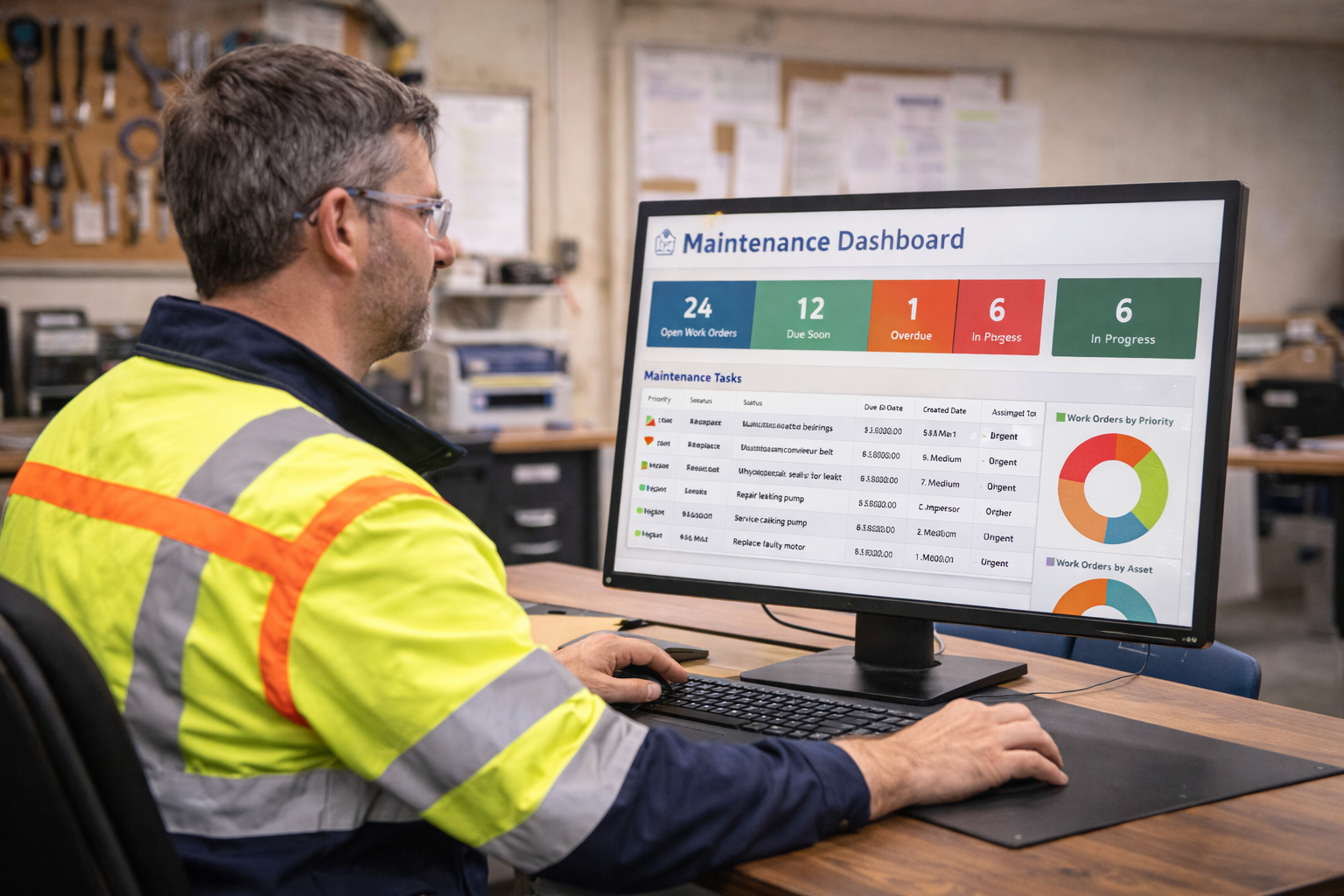
Don't wait for equipment to fail. Create comprehensive maintenance schedules based on manufacturer recommendations and historical performance data. Regular inspections, lubrication, and component replacements may seem time-consuming, but they're far less disruptive than unexpected failures. Use a digital work management platform to track schedules, assign tasks, and ensure nothing falls through the cracks.
Analyse your equipment failure history to identify components that fail most frequently. Stock these critical spare parts on-site or in field service vehicles so repairs can begin immediately when issues arise. Waiting days or weeks for parts to arrive extends downtime unnecessarily and compounds losses.
Invest in comprehensive training programmes that keep your technicians current on equipment technologies and best practices. Cross-train team members on multiple systems so you're not dependent on a single specialist. This flexibility ensures qualified personnel are always available when problems occur, whether in-house or in the field.
After each failure, dig deeper than the immediate cause. Ask why the failure occurred and what systemic issues contributed to it. Document findings and implement corrective actions to prevent recurrence. This continuous improvement approach addresses underlying problems rather than just treating symptoms.
Modern maintenance software can analyse historical data to predict which assets are most likely to fail and when. Use these insights to prioritise maintenance activities and allocate resources where they'll have the greatest impact on uptime.
By implementing these strategies systematically, organisations typically reduce unplanned downtime by 30-50%, transforming maintenance from a cost centre into a competitive advantage that drives profitability and customer satisfaction.
HINDSITE's work management platform that ensures the right job gets done, every time. Connect with our team today.
Unplanned downtime doesn't have to be an inevitable cost of doing business. With the right strategies and tools, organisations can dramatically reduce equipment failures and keep operations running smoothly. Here's how to transform your maintenance operations from reactive to proactive.
The most effective way to prevent unplanned downtime is catching problems before they cause failures. Install IoT sensors on critical equipment to monitor vital signs like temperature, vibration, and pressure in real-time. When data indicates abnormal patterns, your team can schedule repairs during planned maintenance windows rather than dealing with emergency breakdowns during peak operational hours.
Don't wait for equipment to fail. Create comprehensive maintenance schedules based on manufacturer recommendations and historical performance data. Regular inspections, lubrication, and component replacements may seem time-consuming, but they're far less disruptive than unexpected failures. Use a digital work management platform to track schedules, assign tasks, and ensure nothing falls through the cracks.
Analyse your equipment failure history to identify components that fail most frequently. Stock these critical spare parts on-site or in field service vehicles so repairs can begin immediately when issues arise. Waiting days or weeks for parts to arrive extends downtime unnecessarily and compounds losses.
Invest in comprehensive training programmes that keep your technicians current on equipment technologies and best practices. Cross-train team members on multiple systems so you're not dependent on a single specialist. This flexibility ensures qualified personnel are always available when problems occur, whether in-house or in the field.
After each failure, dig deeper than the immediate cause. Ask why the failure occurred and what systemic issues contributed to it. Document findings and implement corrective actions to prevent recurrence. This continuous improvement approach addresses underlying problems rather than just treating symptoms.
Modern maintenance software can analyse historical data to predict which assets are most likely to fail and when. Use these insights to prioritise maintenance activities and allocate resources where they'll have the greatest impact on uptime.
By implementing these strategies systematically, organisations typically reduce unplanned downtime by 30-50%, transforming maintenance from a cost centre into a competitive advantage that drives profitability and customer satisfaction.


.png)
.png)