This article is one of our favourites from around the web. We've included an excerpt below but do go and read the original!
Unplanned downtime remains one of the most expensive challenges facing modern organisations. According to Siemens' 2024 report, Fortune Global 500 companies lose $1.4 trillion annually to unplanned downtime, representing 11% of their cumulative revenues. For individual facilities, the impact is equally staggering - the average cost of an hour of unplanned downtime hovers around $25,000, though for larger organisations this can exceed $500,000. With stakes this high, reducing downtime isn't just an operational priority; it's a business imperative.
Whilst downtime costs continue to rise, there's encouraging news. Major manufacturers now experience an average of 25 downtime incidents monthly, down from 42 in 2019, with lost hours decreasing from 39 to 27 per month. This improvement demonstrates that strategic maintenance approaches can deliver measurable results. However, the paradox is that whilst incidents are decreasing, the complexity of each incident is increasing, often leading to longer recovery times.
Predictive maintenance has emerged as a critical tool for preventing downtime before it occurs. By leveraging artificial intelligence and data analytics to monitor equipment health, organisations can forecast failures and schedule maintenance proactively. Research shows that 91% of businesses reduce repair time and unplanned downtime after implementing predictive maintenance.
The technology works by analysing data from multiple sources, including maintenance records, operational systems, and sensor data, to identify patterns that precede equipment failures. This allows teams to address issues during planned maintenance windows rather than dealing with emergency breakdowns. Organisations using predictive maintenance report reductions in replacement parts needs of up to 40%, along with 5-10% savings in material and maintenance costs.
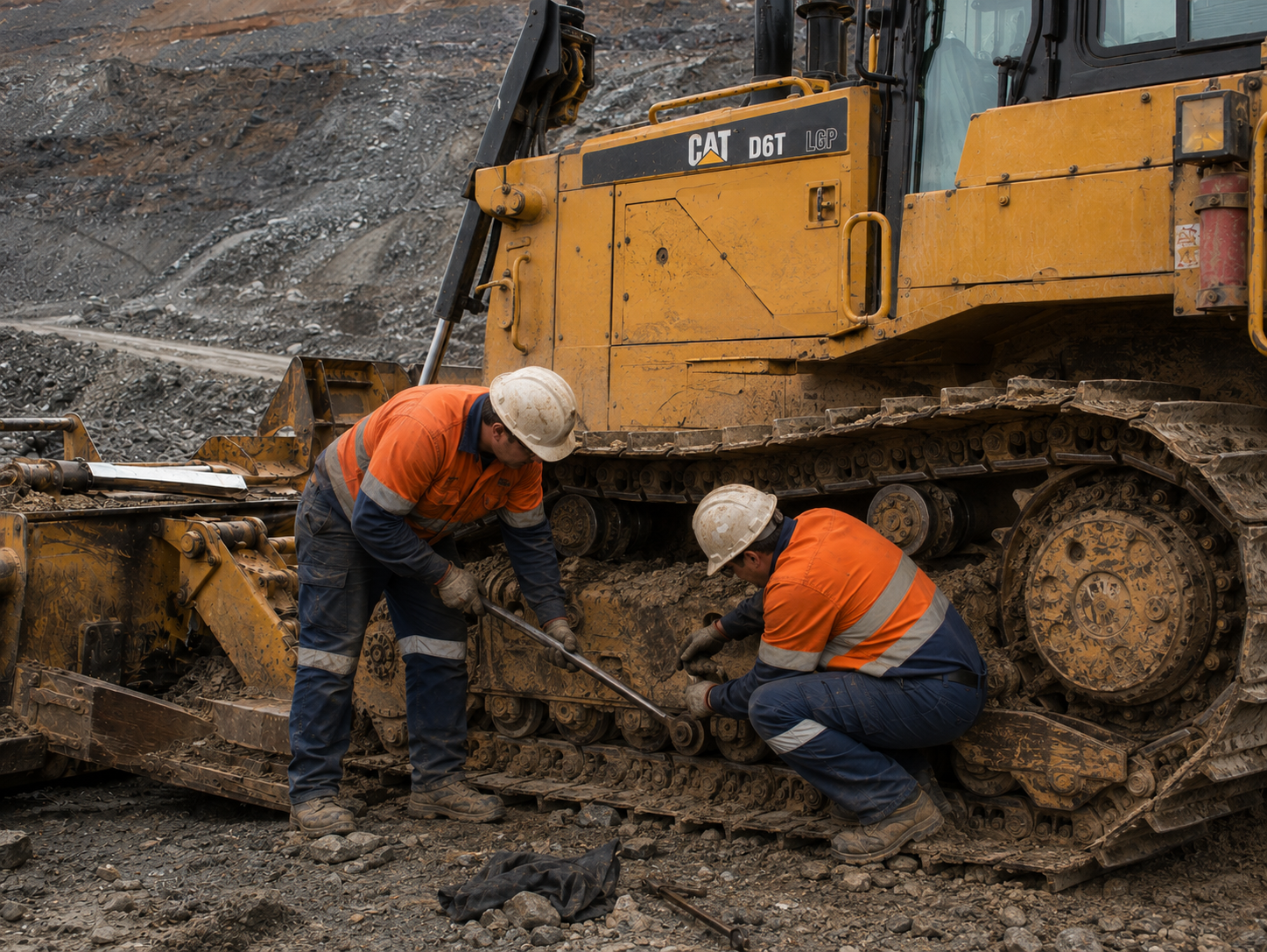
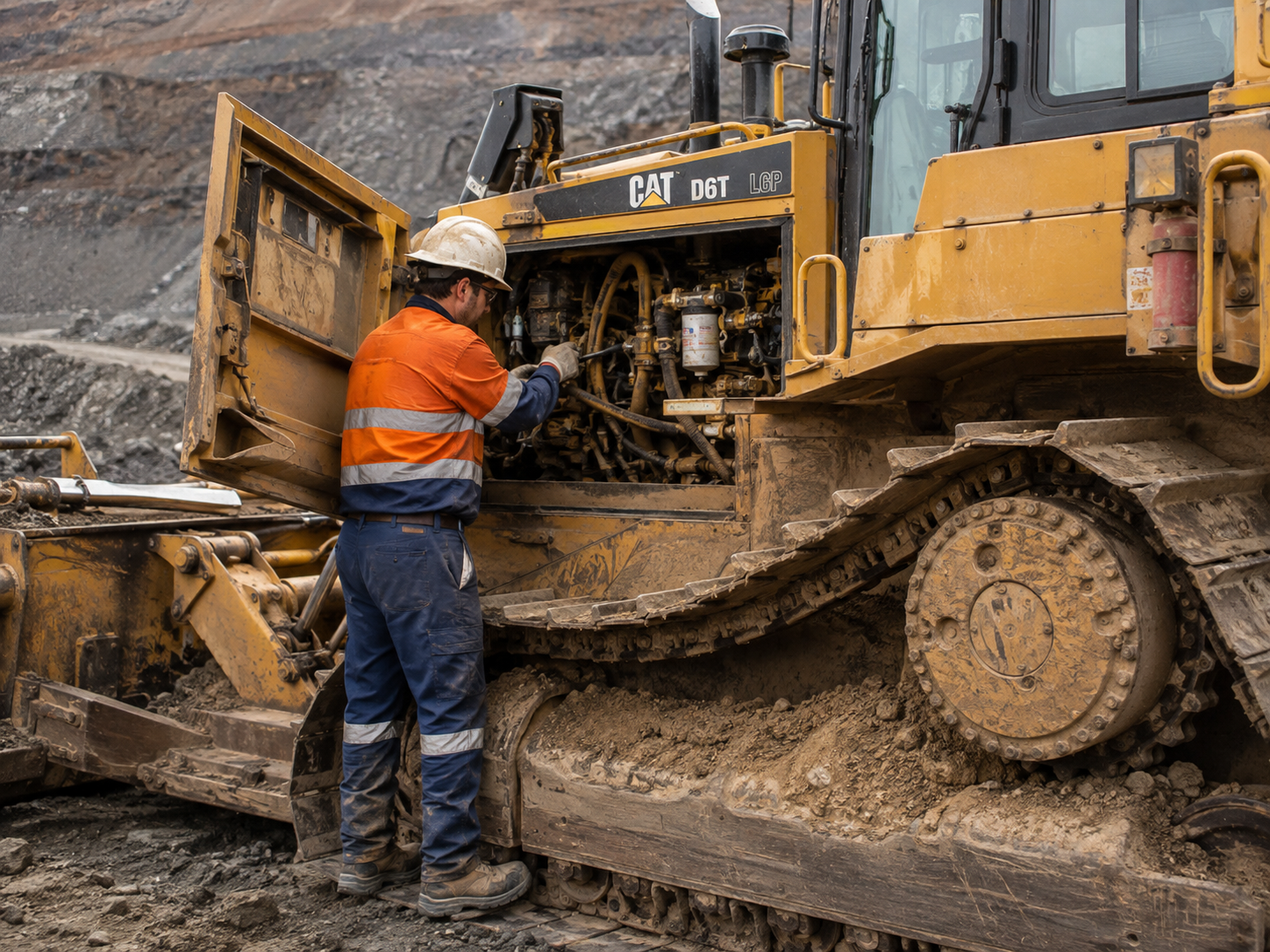
For organisations not yet ready for predictive technologies, preventive maintenance offers a proven foundation for reducing downtime. This approach involves scheduling regular inspections, servicing, and component replacements based on time intervals or usage metrics. By catching problems early, preventive maintenance eliminates many of the surprise failures that cause costly interruptions.
The key is developing a comprehensive maintenance schedule that accounts for manufacturer recommendations, historical failure data, and operational demands. Whilst preventive maintenance requires upfront investment in planning and labour, the return on investment comes through extended equipment life, reduced emergency repairs, and improved operational reliability.
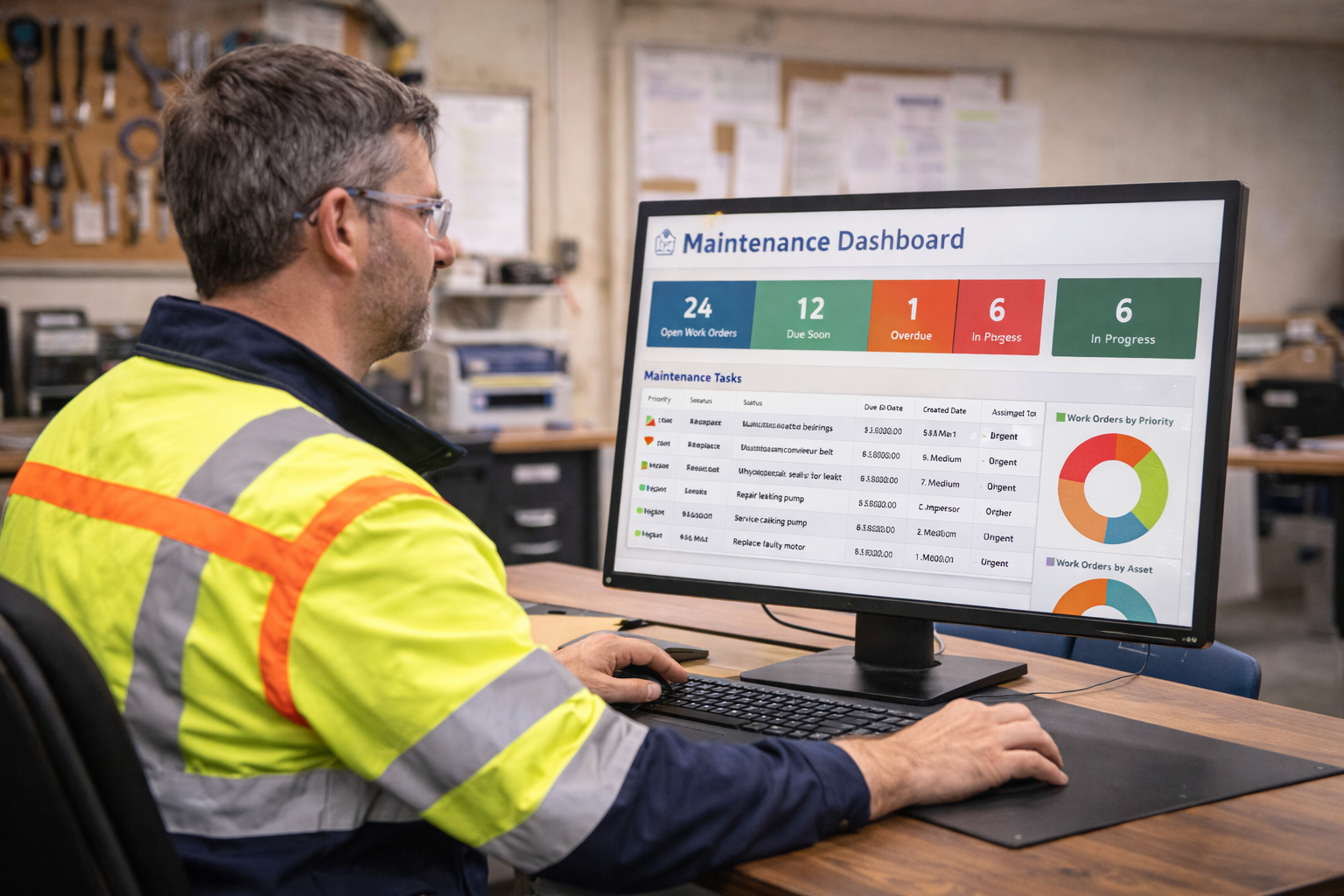
Work management platforms have become essential infrastructure for modern maintenance operations. Recent surveys indicate that a growing number of companies now use these systems to manage maintenance activities and optimise costs. These platforms centralise critical information, streamline work order management, track asset histories, and generate actionable insights from maintenance data.
A work management platform enables teams to move beyond reactive maintenance by providing visibility into equipment performance trends, maintenance costs, and resource allocation. The system can automatically schedule preventive tasks, alert teams to potential issues, and ensure that institutional knowledge is captured and accessible to all team members, not just veteran technicians.
The maintenance industry faces significant challenges, with many businesses identifying skilled labour shortage as the leading obstacle to improving maintenance programmes. As experienced technicians retire, they take decades of critical knowledge with them. Organisations must act now to capture this expertise and develop the next generation of maintenance professionals.
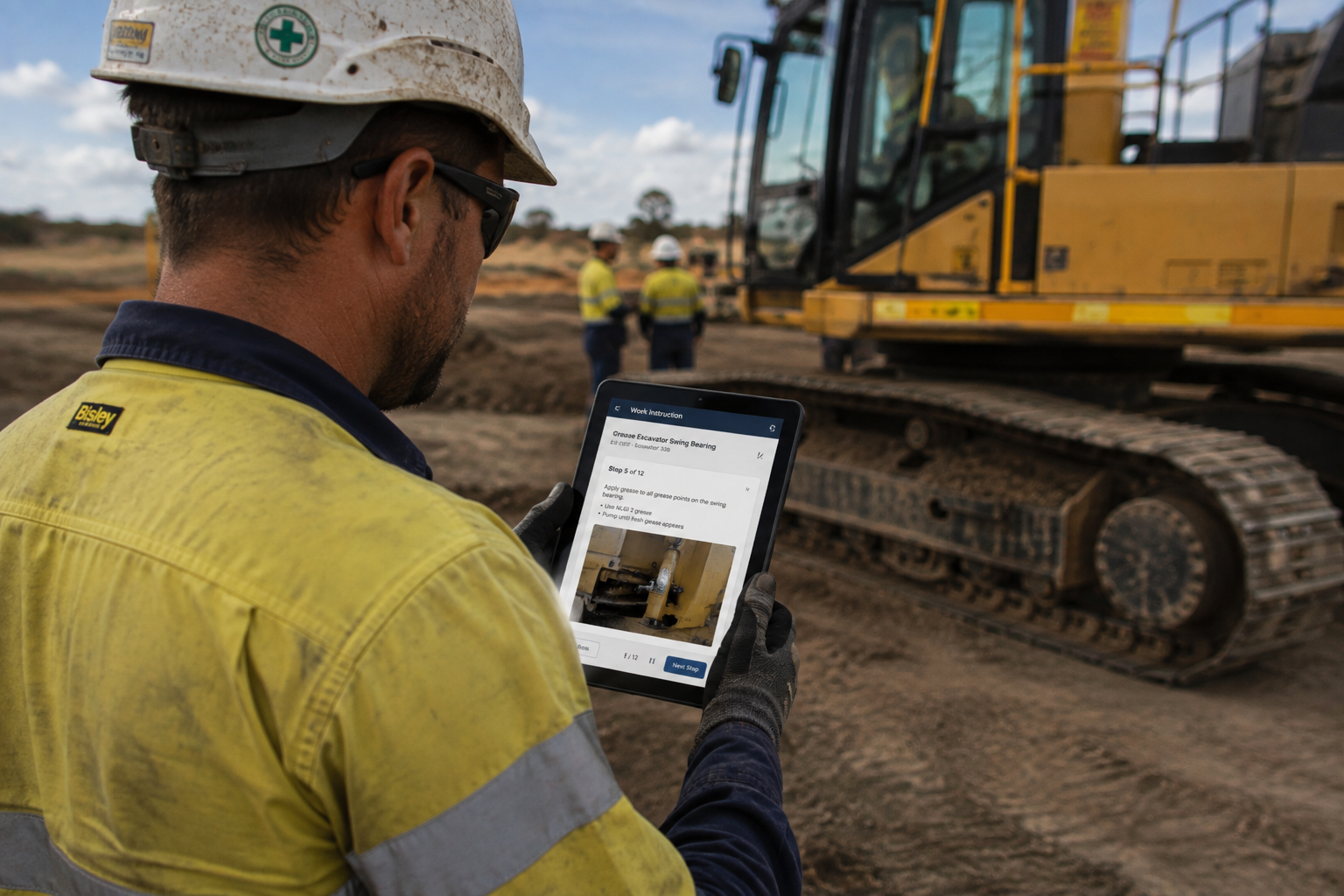
Strategies include implementing mentorship programmes that pair senior technicians with newer employees, using video and documentation tools to capture tribal knowledge, and investing in training programmes that upskill existing staff. Technology can also help bridge gaps by providing guided troubleshooting, digital work instructions, and mobile access to equipment manuals and specifications.
Supply chain disruptions significantly compound downtime challenges; with many facilities attributing increases in downtime costs to rising parts and shipping expenses. Smart inventory management balances the cost of holding spare parts against the risk of extended downtime whilst waiting for critical components.
Develop strategic relationships with reliable suppliers who can provide expedited delivery when needed. Consider maintaining on-site inventory of high-failure or long-lead-time components for critical equipment. Regular supplier performance reviews and backup sourcing options provide additional resilience against supply chain volatility.
Reducing downtime requires a multi-faceted approach combining technology, strategy, and people development. Whilst the challenges are significant, the improvements achieved by leading organisations prove that substantial reductions in downtime incidents are achievable. By implementing predictive and preventive maintenance strategies, leveraging work management platform technology, addressing workforce development, and optimising supply chains, organisations can protect their bottom line whilst improving operational reliability. In an era where every minute of downtime carries enormous costs, these investments in maintenance excellence aren't optional - they're essential for competitive survival.
HINDSITE's work management platform that ensures the right job gets done, every time. Connect with our team today.
Unplanned downtime remains one of the most expensive challenges facing modern organisations. According to Siemens' 2024 report, Fortune Global 500 companies lose $1.4 trillion annually to unplanned downtime, representing 11% of their cumulative revenues. For individual facilities, the impact is equally staggering - the average cost of an hour of unplanned downtime hovers around $25,000, though for larger organisations this can exceed $500,000. With stakes this high, reducing downtime isn't just an operational priority; it's a business imperative.
Whilst downtime costs continue to rise, there's encouraging news. Major manufacturers now experience an average of 25 downtime incidents monthly, down from 42 in 2019, with lost hours decreasing from 39 to 27 per month. This improvement demonstrates that strategic maintenance approaches can deliver measurable results. However, the paradox is that whilst incidents are decreasing, the complexity of each incident is increasing, often leading to longer recovery times.
Predictive maintenance has emerged as a critical tool for preventing downtime before it occurs. By leveraging artificial intelligence and data analytics to monitor equipment health, organisations can forecast failures and schedule maintenance proactively. Research shows that 91% of businesses reduce repair time and unplanned downtime after implementing predictive maintenance.
The technology works by analysing data from multiple sources, including maintenance records, operational systems, and sensor data, to identify patterns that precede equipment failures. This allows teams to address issues during planned maintenance windows rather than dealing with emergency breakdowns. Organisations using predictive maintenance report reductions in replacement parts needs of up to 40%, along with 5-10% savings in material and maintenance costs.
For organisations not yet ready for predictive technologies, preventive maintenance offers a proven foundation for reducing downtime. This approach involves scheduling regular inspections, servicing, and component replacements based on time intervals or usage metrics. By catching problems early, preventive maintenance eliminates many of the surprise failures that cause costly interruptions.
The key is developing a comprehensive maintenance schedule that accounts for manufacturer recommendations, historical failure data, and operational demands. Whilst preventive maintenance requires upfront investment in planning and labour, the return on investment comes through extended equipment life, reduced emergency repairs, and improved operational reliability.
Work management platforms have become essential infrastructure for modern maintenance operations. Recent surveys indicate that a growing number of companies now use these systems to manage maintenance activities and optimise costs. These platforms centralise critical information, streamline work order management, track asset histories, and generate actionable insights from maintenance data.
A work management platform enables teams to move beyond reactive maintenance by providing visibility into equipment performance trends, maintenance costs, and resource allocation. The system can automatically schedule preventive tasks, alert teams to potential issues, and ensure that institutional knowledge is captured and accessible to all team members, not just veteran technicians.
The maintenance industry faces significant challenges, with many businesses identifying skilled labour shortage as the leading obstacle to improving maintenance programmes. As experienced technicians retire, they take decades of critical knowledge with them. Organisations must act now to capture this expertise and develop the next generation of maintenance professionals.
Strategies include implementing mentorship programmes that pair senior technicians with newer employees, using video and documentation tools to capture tribal knowledge, and investing in training programmes that upskill existing staff. Technology can also help bridge gaps by providing guided troubleshooting, digital work instructions, and mobile access to equipment manuals and specifications.
Supply chain disruptions significantly compound downtime challenges; with many facilities attributing increases in downtime costs to rising parts and shipping expenses. Smart inventory management balances the cost of holding spare parts against the risk of extended downtime whilst waiting for critical components.
Develop strategic relationships with reliable suppliers who can provide expedited delivery when needed. Consider maintaining on-site inventory of high-failure or long-lead-time components for critical equipment. Regular supplier performance reviews and backup sourcing options provide additional resilience against supply chain volatility.
Reducing downtime requires a multi-faceted approach combining technology, strategy, and people development. Whilst the challenges are significant, the improvements achieved by leading organisations prove that substantial reductions in downtime incidents are achievable. By implementing predictive and preventive maintenance strategies, leveraging work management platform technology, addressing workforce development, and optimising supply chains, organisations can protect their bottom line whilst improving operational reliability. In an era where every minute of downtime carries enormous costs, these investments in maintenance excellence aren't optional - they're essential for competitive survival.


.png)
.png)