This article is one of our favourites from around the web. We've included an excerpt below but do go and read the original!
Effective collaboration isn't just a nice-to-have for maintenance operations - it's a critical factor in achieving operational excellence. When maintenance teams work in silos, the consequences are measurable and costly: miscommunication leads to duplicated efforts, missed maintenance windows result in unplanned downtime, and valuable institutional knowledge remains trapped with individual technicians. Recent research reveals that communication breakdowns between maintenance teams and other departments can lead to misunderstandings, delays, and inefficiencies. For organisations seeking to maximise equipment reliability and minimise costs, improving collaboration across maintenance teams must be a strategic priority.
The foundation of effective collaboration begins with establishing robust communication pathways. Traditional methods - emails, phone calls, and paper-based systems - create fragmentation where critical information gets lost or delayed. Missed jobs, impractical maintenance schedules, and double-booking are more prevalent when organisations rely on these outdated communication methods.
Modern maintenance teams require real-time communication capabilities that ensure everyone has access to the same information simultaneously. This means implementing digital platforms that support instant messaging, work order updates, and mobile access for technicians in the field. When communication flows freely, teams can respond rapidly to emerging issues, coordinate complex maintenance activities across multiple sites, and ensure that critical updates reach all relevant stakeholders without delay.
Information silos represent one of the most significant barriers to effective collaboration. When maintenance procedures, equipment histories, and technical specifications exist in multiple locations - or worse, only in the minds of veteran technicians - teams cannot work efficiently together. Centralising all maintenance-related information in a single, accessible platform eliminates these silos and creates transparency across the organisation.
Digital work management platforms provide a centralised repository for all maintenance data. Technicians can access equipment manuals, maintenance histories, standard operating procedures, and previous work orders from any location. This shared visibility ensures that everyone works from the same information, reducing errors and enabling seamless handoffs between shifts and team members. When a technician encounters an unfamiliar issue, they can quickly reference how colleagues handled similar situations previously, accelerating problem resolution and promoting continuous learning.
Maintenance work is dynamic, with priorities shifting based on equipment failures, production demands, and resource availability. Without real-time visibility into work order status, asset conditions, and team capacity, coordination becomes guesswork. Teams may unknowingly duplicate efforts, miss critical maintenance windows, or fail to respond quickly to urgent issues.
Platforms like HINDSITE transform how maintenance teams collaborate by providing instant visibility into maintenance activities across all locations. Supervisors can see which technicians are available, what work is in progress, and where bottlenecks are forming. When priorities change, updates cascade immediately to all affected team members. This transparency eliminates the confusion and delays that plague organisations relying on periodic status meetings or manual reporting systems.
Maintenance doesn't exist in isolation - it intersects with production, operations, procurement, and safety departments. Effective communication between maintenance teams and other departments is crucial, as communication breakdowns can lead to misunderstandings and operational inefficiencies. Breaking down departmental barriers and fostering cross-functional collaboration ensures that maintenance activities align with broader organisational objectives.
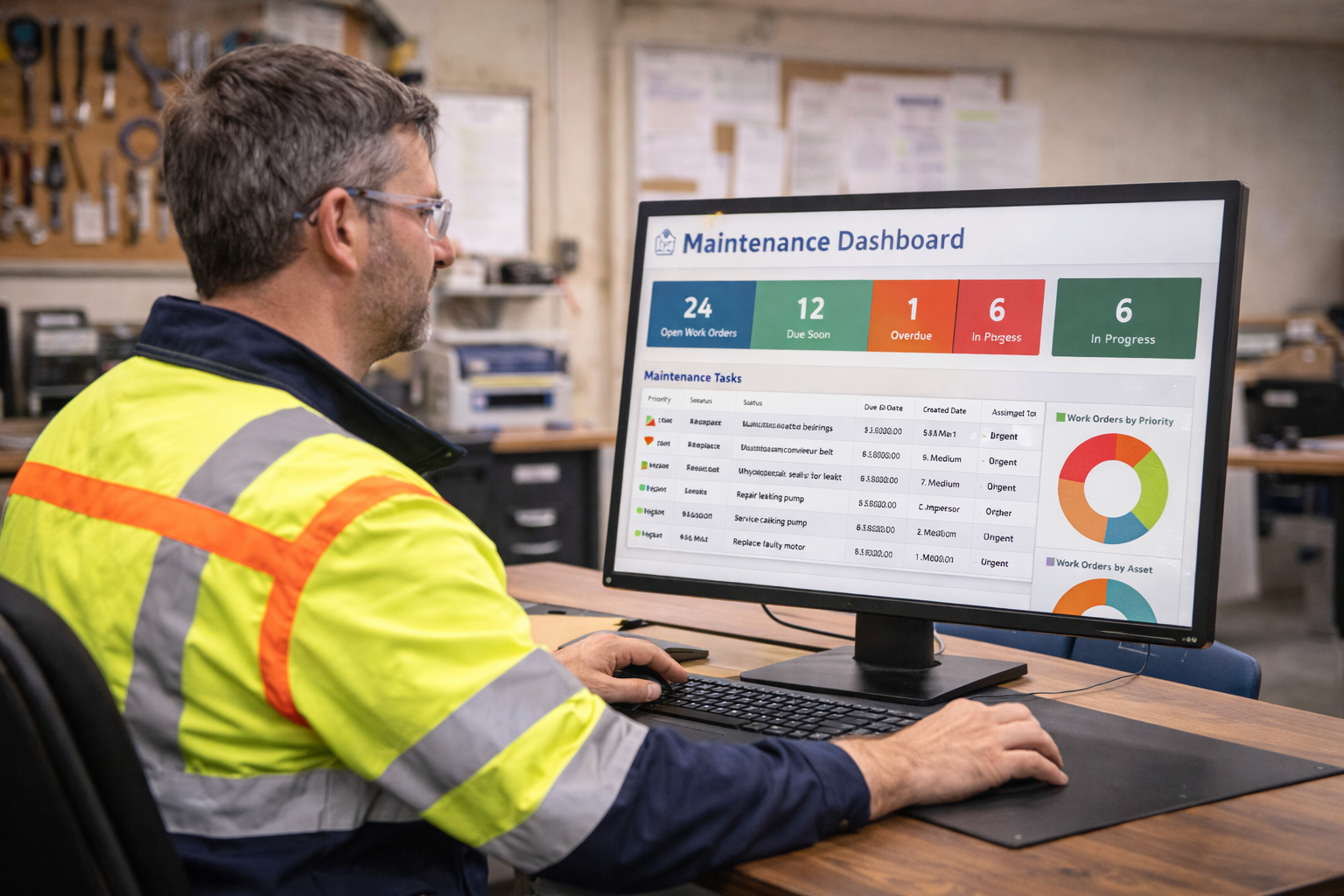
Implement regular cross-functional meetings where maintenance leaders engage with representatives from other departments to discuss upcoming maintenance needs, production schedules, and potential challenges. Digital platforms facilitate this collaboration by providing shared dashboards where all stakeholders can view relevant metrics, work order status, and equipment performance data. When everyone has visibility into maintenance activities and their impact on operations, alignment improves and collaborative problem-solving becomes possible.
Inconsistency undermines collaboration. When each technician approaches tasks differently or sites follow varying procedures, coordination becomes difficult and quality becomes unpredictable. Standardising maintenance processes creates a common language and framework that enables seamless collaboration across teams and locations.
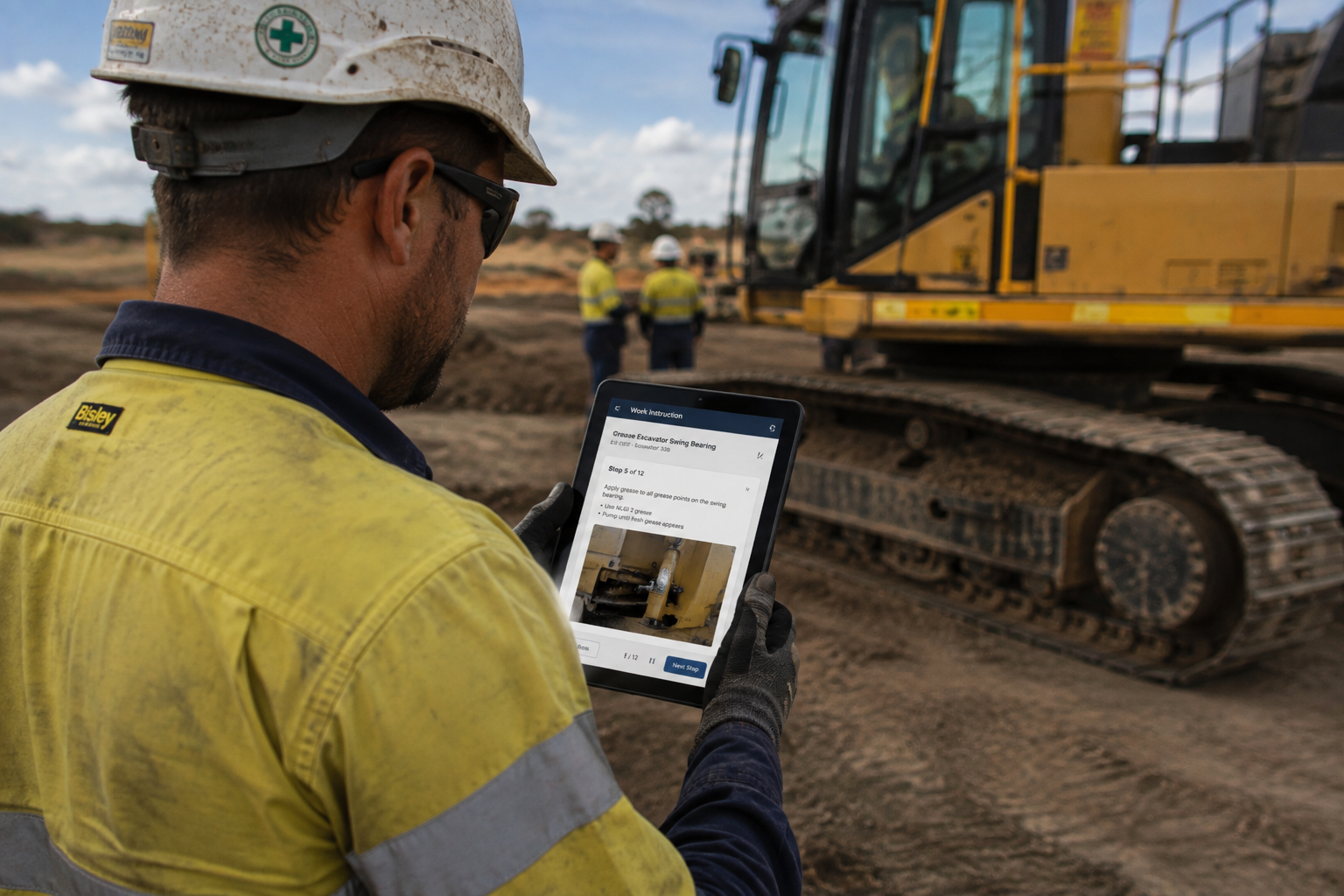
Work management platforms support standardisation by allowing organisations to create and distribute digital work instructions, checklists, and procedures that all team members can access and follow. These standardised workflows ensure consistent execution regardless of who performs the work, simplify training for new team members, and create clear expectations for maintenance quality. When processes are standardised, collaboration becomes easier because everyone understands the methodology and can step in to support colleagues when needed.
Maintenance technicians spend most of their time in the field, away from desks and desktop computers. Without mobile access to work orders, documentation, and communication tools, field technicians remain disconnected from the broader team, leading to delays and information gaps. Mobile technology bridges this divide, bringing collaboration capabilities directly to where the work happens.
HINDSITE's mobile capabilities ensure that field technicians remain fully connected to their teams and have instant access to all necessary information. They can receive work order assignments, update task status, upload photos of equipment conditions, request parts, and communicate with colleagues - all from their mobile devices. This connectivity eliminates the lag time associated with returning to the office to update records or seek guidance, accelerating response times and improving collaboration between field and office-based team members.
What gets measured gets managed. To improve collaboration continuously, organisations must establish metrics that reveal collaboration effectiveness and identify improvement opportunities. Track indicators such as work order completion time, the number of escalations or rework incidents, technician utilisation rates, and cross-team handoff success rates.
Digital work management platforms provide the data analytics capabilities needed to measure these collaboration metrics systematically. By reviewing performance data regularly, maintenance leaders can identify patterns - such as communication gaps between shifts, coordination challenges at specific sites, or recurring issues with particular equipment types - and implement targeted improvements.
Improving collaboration across maintenance teams requires more than good intentions - it demands the right tools, processes, and culture. By establishing clear communication channels, centralising information, enabling real-time visibility, fostering cross-functional relationships, standardising processes, leveraging mobile technology, and measuring outcomes, organisations create maintenance operations where collaboration becomes natural and effortless. Digital work management platforms provide the technological foundation that makes this collaboration possible, breaking down silos and connecting maintenance teams in ways that drive efficiency, reduce downtime, and improve overall operational performance. In today's complex operational environments, collaboration isn't optional - it's the competitive advantage that separates maintenance excellence from mediocrity.
HINDSITE's work management platform that ensures the right job gets done, every time. Connect with our team today.
Effective collaboration isn't just a nice-to-have for maintenance operations - it's a critical factor in achieving operational excellence. When maintenance teams work in silos, the consequences are measurable and costly: miscommunication leads to duplicated efforts, missed maintenance windows result in unplanned downtime, and valuable institutional knowledge remains trapped with individual technicians. Recent research reveals that communication breakdowns between maintenance teams and other departments can lead to misunderstandings, delays, and inefficiencies. For organisations seeking to maximise equipment reliability and minimise costs, improving collaboration across maintenance teams must be a strategic priority.
The foundation of effective collaboration begins with establishing robust communication pathways. Traditional methods - emails, phone calls, and paper-based systems - create fragmentation where critical information gets lost or delayed. Missed jobs, impractical maintenance schedules, and double-booking are more prevalent when organisations rely on these outdated communication methods.
Modern maintenance teams require real-time communication capabilities that ensure everyone has access to the same information simultaneously. This means implementing digital platforms that support instant messaging, work order updates, and mobile access for technicians in the field. When communication flows freely, teams can respond rapidly to emerging issues, coordinate complex maintenance activities across multiple sites, and ensure that critical updates reach all relevant stakeholders without delay.
Information silos represent one of the most significant barriers to effective collaboration. When maintenance procedures, equipment histories, and technical specifications exist in multiple locations - or worse, only in the minds of veteran technicians - teams cannot work efficiently together. Centralising all maintenance-related information in a single, accessible platform eliminates these silos and creates transparency across the organisation.
Digital work management platforms provide a centralised repository for all maintenance data. Technicians can access equipment manuals, maintenance histories, standard operating procedures, and previous work orders from any location. This shared visibility ensures that everyone works from the same information, reducing errors and enabling seamless handoffs between shifts and team members. When a technician encounters an unfamiliar issue, they can quickly reference how colleagues handled similar situations previously, accelerating problem resolution and promoting continuous learning.
Maintenance work is dynamic, with priorities shifting based on equipment failures, production demands, and resource availability. Without real-time visibility into work order status, asset conditions, and team capacity, coordination becomes guesswork. Teams may unknowingly duplicate efforts, miss critical maintenance windows, or fail to respond quickly to urgent issues.
Platforms like HINDSITE transform how maintenance teams collaborate by providing instant visibility into maintenance activities across all locations. Supervisors can see which technicians are available, what work is in progress, and where bottlenecks are forming. When priorities change, updates cascade immediately to all affected team members. This transparency eliminates the confusion and delays that plague organisations relying on periodic status meetings or manual reporting systems.
Maintenance doesn't exist in isolation - it intersects with production, operations, procurement, and safety departments. Effective communication between maintenance teams and other departments is crucial, as communication breakdowns can lead to misunderstandings and operational inefficiencies. Breaking down departmental barriers and fostering cross-functional collaboration ensures that maintenance activities align with broader organisational objectives.
Implement regular cross-functional meetings where maintenance leaders engage with representatives from other departments to discuss upcoming maintenance needs, production schedules, and potential challenges. Digital platforms facilitate this collaboration by providing shared dashboards where all stakeholders can view relevant metrics, work order status, and equipment performance data. When everyone has visibility into maintenance activities and their impact on operations, alignment improves and collaborative problem-solving becomes possible.
Inconsistency undermines collaboration. When each technician approaches tasks differently or sites follow varying procedures, coordination becomes difficult and quality becomes unpredictable. Standardising maintenance processes creates a common language and framework that enables seamless collaboration across teams and locations.
Work management platforms support standardisation by allowing organisations to create and distribute digital work instructions, checklists, and procedures that all team members can access and follow. These standardised workflows ensure consistent execution regardless of who performs the work, simplify training for new team members, and create clear expectations for maintenance quality. When processes are standardised, collaboration becomes easier because everyone understands the methodology and can step in to support colleagues when needed.
Maintenance technicians spend most of their time in the field, away from desks and desktop computers. Without mobile access to work orders, documentation, and communication tools, field technicians remain disconnected from the broader team, leading to delays and information gaps. Mobile technology bridges this divide, bringing collaboration capabilities directly to where the work happens.
HINDSITE's mobile capabilities ensure that field technicians remain fully connected to their teams and have instant access to all necessary information. They can receive work order assignments, update task status, upload photos of equipment conditions, request parts, and communicate with colleagues - all from their mobile devices. This connectivity eliminates the lag time associated with returning to the office to update records or seek guidance, accelerating response times and improving collaboration between field and office-based team members.
What gets measured gets managed. To improve collaboration continuously, organisations must establish metrics that reveal collaboration effectiveness and identify improvement opportunities. Track indicators such as work order completion time, the number of escalations or rework incidents, technician utilisation rates, and cross-team handoff success rates.
Digital work management platforms provide the data analytics capabilities needed to measure these collaboration metrics systematically. By reviewing performance data regularly, maintenance leaders can identify patterns - such as communication gaps between shifts, coordination challenges at specific sites, or recurring issues with particular equipment types - and implement targeted improvements.
Improving collaboration across maintenance teams requires more than good intentions - it demands the right tools, processes, and culture. By establishing clear communication channels, centralising information, enabling real-time visibility, fostering cross-functional relationships, standardising processes, leveraging mobile technology, and measuring outcomes, organisations create maintenance operations where collaboration becomes natural and effortless. Digital work management platforms provide the technological foundation that makes this collaboration possible, breaking down silos and connecting maintenance teams in ways that drive efficiency, reduce downtime, and improve overall operational performance. In today's complex operational environments, collaboration isn't optional - it's the competitive advantage that separates maintenance excellence from mediocrity.


.png)
.png)