This article is one of our favourites from around the web. We've included an excerpt below but do go and read the original!
A well-designed preventative maintenance schedule is one of the most powerful tools for reducing downtime, extending equipment life, and controlling costs. Yet many organisations struggle with schedules that are either too ambitious to follow or too sparse to prevent failures. Here's how to build a preventative maintenance programme that actually works.
You can't maintain what you don't know about. Begin by cataloguing every piece of equipment that requires maintenance, from critical production machinery to facility infrastructure. Document essential details: manufacturer, model, installation date, location, and criticality to operations. This comprehensive inventory becomes the foundation of your entire preventative maintenance programme.
Equipment manufacturers provide maintenance schedules based on extensive testing and field experience. Review operation manuals, maintenance guides, and technical documentation for each asset type. These recommendations typically specify inspection frequencies, lubrication requirements, filter changes, and component replacements. Whilst you may adjust these later based on your operating conditions, manufacturer guidelines provide a solid starting point.
Equipment operating in harsh environments or running continuously needs more frequent maintenance than assets in controlled conditions with lighter duty cycles. Consider factors like temperature extremes, dust or moisture exposure, operating hours, and load intensity. A conveyor running 24/7 in a dusty warehouse requires different maintenance intervals than identical equipment in a climate-controlled facility operating eight hours daily.
Not all equipment deserves equal attention. Identify critical assets whose failure would halt operations, create safety hazards, or cause significant financial impact. These high-priority assets warrant more frequent inspections and proactive component replacements. Less critical equipment with redundancy or minimal failure consequences can follow less intensive schedules, allowing you to focus resources where they matter most.
Vague schedules like "inspect monthly" lead to inconsistent execution. Specify exactly what each maintenance activity entails: which components to inspect, what measurements to take, which parts to lubricate or replace, and what constitutes acceptable versus unacceptable conditions. Detailed task descriptions ensure consistent quality regardless of which technician performs the work.
Balance thoroughness with practicality. Scheduling monthly inspections that your team can't possibly complete creates a schedule nobody follows. Consider your team's capacity, the time required for each task, and seasonal variations in workload. It's better to consistently execute quarterly maintenance than to repeatedly skip impossible monthly schedules.
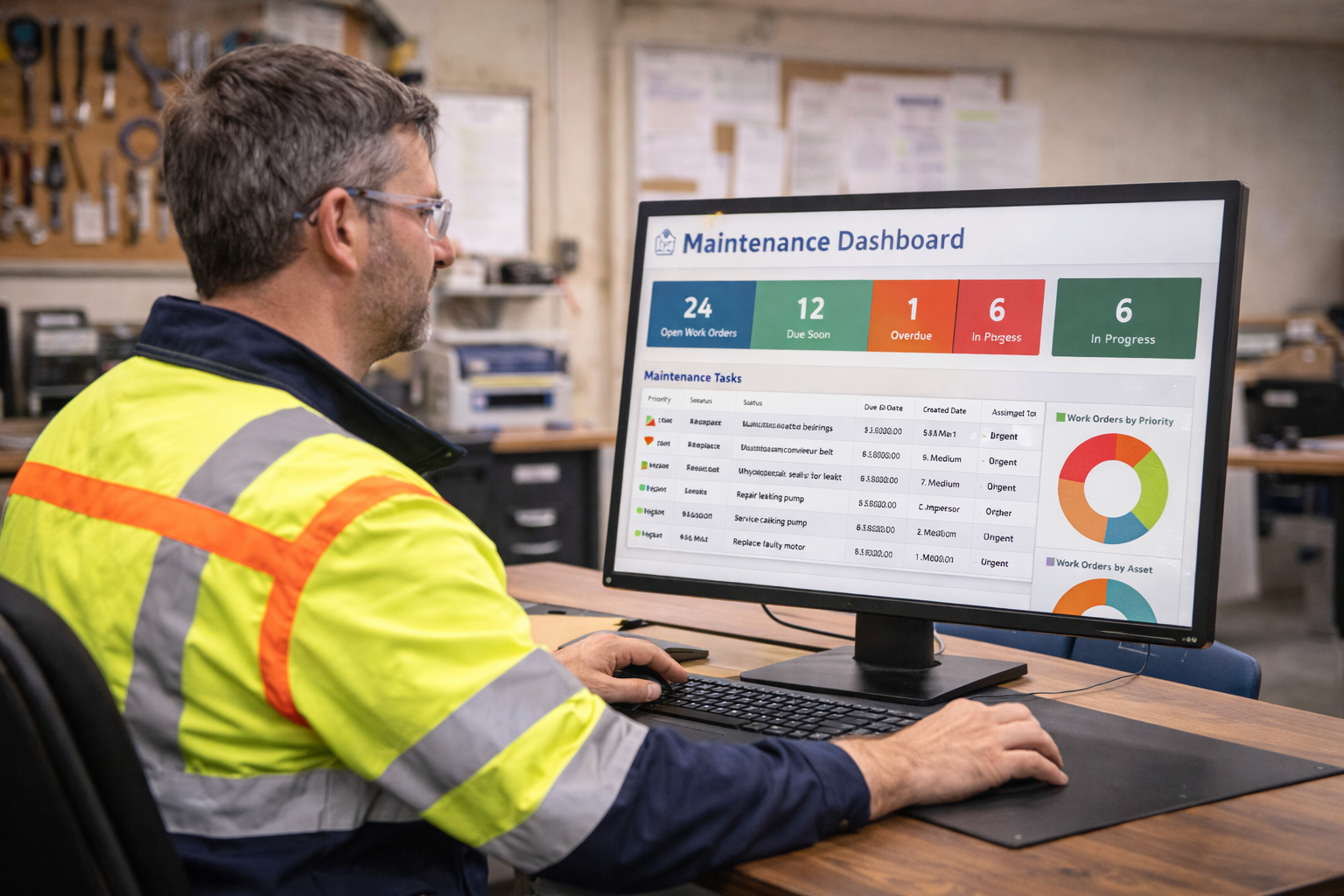
Manual schedules on spreadsheets or paper quickly become outdated and impossible to manage at scale. Digital work management platforms like HINDSITE automatically generate work orders based on time intervals, usage metrics, or calendar dates. These systems track completion, maintain historical records, and alert supervisors when tasks are overdue, ensuring accountability and visibility across your entire programme.
Your initial schedule won't be perfect. Plan to review and refine it based on actual experience. If certain tasks consistently reveal no issues, consider extending intervals. If equipment fails between scheduled maintenance, increase frequency or add inspection points. Treat your preventative maintenance schedule as a living document that evolves with your operation.
A thoughtfully designed preventative maintenance schedule transforms maintenance from reactive firefighting into proactive asset management. Organisations that invest time building comprehensive, realistic schedules typically see dramatic reductions in unplanned downtime whilst creating a sustainable workload their teams can actually manage.
HINDSITE's work management platform that ensures the right job gets done, every time. Connect with our team today.
A well-designed preventative maintenance schedule is one of the most powerful tools for reducing downtime, extending equipment life, and controlling costs. Yet many organisations struggle with schedules that are either too ambitious to follow or too sparse to prevent failures. Here's how to build a preventative maintenance programme that actually works.
You can't maintain what you don't know about. Begin by cataloguing every piece of equipment that requires maintenance, from critical production machinery to facility infrastructure. Document essential details: manufacturer, model, installation date, location, and criticality to operations. This comprehensive inventory becomes the foundation of your entire preventative maintenance programme.
Equipment manufacturers provide maintenance schedules based on extensive testing and field experience. Review operation manuals, maintenance guides, and technical documentation for each asset type. These recommendations typically specify inspection frequencies, lubrication requirements, filter changes, and component replacements. Whilst you may adjust these later based on your operating conditions, manufacturer guidelines provide a solid starting point.
Equipment operating in harsh environments or running continuously needs more frequent maintenance than assets in controlled conditions with lighter duty cycles. Consider factors like temperature extremes, dust or moisture exposure, operating hours, and load intensity. A conveyor running 24/7 in a dusty warehouse requires different maintenance intervals than identical equipment in a climate-controlled facility operating eight hours daily.
Not all equipment deserves equal attention. Identify critical assets whose failure would halt operations, create safety hazards, or cause significant financial impact. These high-priority assets warrant more frequent inspections and proactive component replacements. Less critical equipment with redundancy or minimal failure consequences can follow less intensive schedules, allowing you to focus resources where they matter most.
Vague schedules like "inspect monthly" lead to inconsistent execution. Specify exactly what each maintenance activity entails: which components to inspect, what measurements to take, which parts to lubricate or replace, and what constitutes acceptable versus unacceptable conditions. Detailed task descriptions ensure consistent quality regardless of which technician performs the work.
Balance thoroughness with practicality. Scheduling monthly inspections that your team can't possibly complete creates a schedule nobody follows. Consider your team's capacity, the time required for each task, and seasonal variations in workload. It's better to consistently execute quarterly maintenance than to repeatedly skip impossible monthly schedules.
Manual schedules on spreadsheets or paper quickly become outdated and impossible to manage at scale. Digital work management platforms like HINDSITE automatically generate work orders based on time intervals, usage metrics, or calendar dates. These systems track completion, maintain historical records, and alert supervisors when tasks are overdue, ensuring accountability and visibility across your entire programme.
Your initial schedule won't be perfect. Plan to review and refine it based on actual experience. If certain tasks consistently reveal no issues, consider extending intervals. If equipment fails between scheduled maintenance, increase frequency or add inspection points. Treat your preventative maintenance schedule as a living document that evolves with your operation.
A thoughtfully designed preventative maintenance schedule transforms maintenance from reactive firefighting into proactive asset management. Organisations that invest time building comprehensive, realistic schedules typically see dramatic reductions in unplanned downtime whilst creating a sustainable workload their teams can actually manage.


.png)
.png)