This article is one of our favourites from around the web. We've included an excerpt below but do go and read the original!
Maintenance operations face constant pressure to do more with less - reduce costs whilst improving reliability, minimise downtime whilst extending equipment life, and increase efficiency without compromising safety. The answer isn't working harder; it's working smarter through continuous improvement. Research shows that organisations implementing systematic continuous improvement processes can reduce total maintenance costs by more than 30% whilst simultaneously improving machine reliability. The key lies in creating a culture where every process, every task, and every outcome becomes an opportunity to learn and improve.
Continuous improvement is a systematic, ongoing approach to enhancing maintenance processes, eliminating waste, and optimising performance. Rather than accepting the status quo or making occasional large-scale changes, continuous improvement involves incremental refinements based on data, feedback, and lessons learnt from daily operations.
This philosophy recognises that frontline technicians - those performing maintenance work every day, often have the best insights into what's working and what isn't. When organisations create structured mechanisms to capture this knowledge and act on it, they unlock tremendous potential for efficiency gains. The challenge is building systems that make continuous improvement natural rather than burdensome.
Traditional maintenance operations often operate with a one-way flow of information: management creates procedures, and technicians execute them. This approach misses a critical opportunity. Establishing feedback loops that encourage technicians to report issues and suggest process improvements transforms maintenance from a rigid, top-down function into an adaptive, learning organisation.
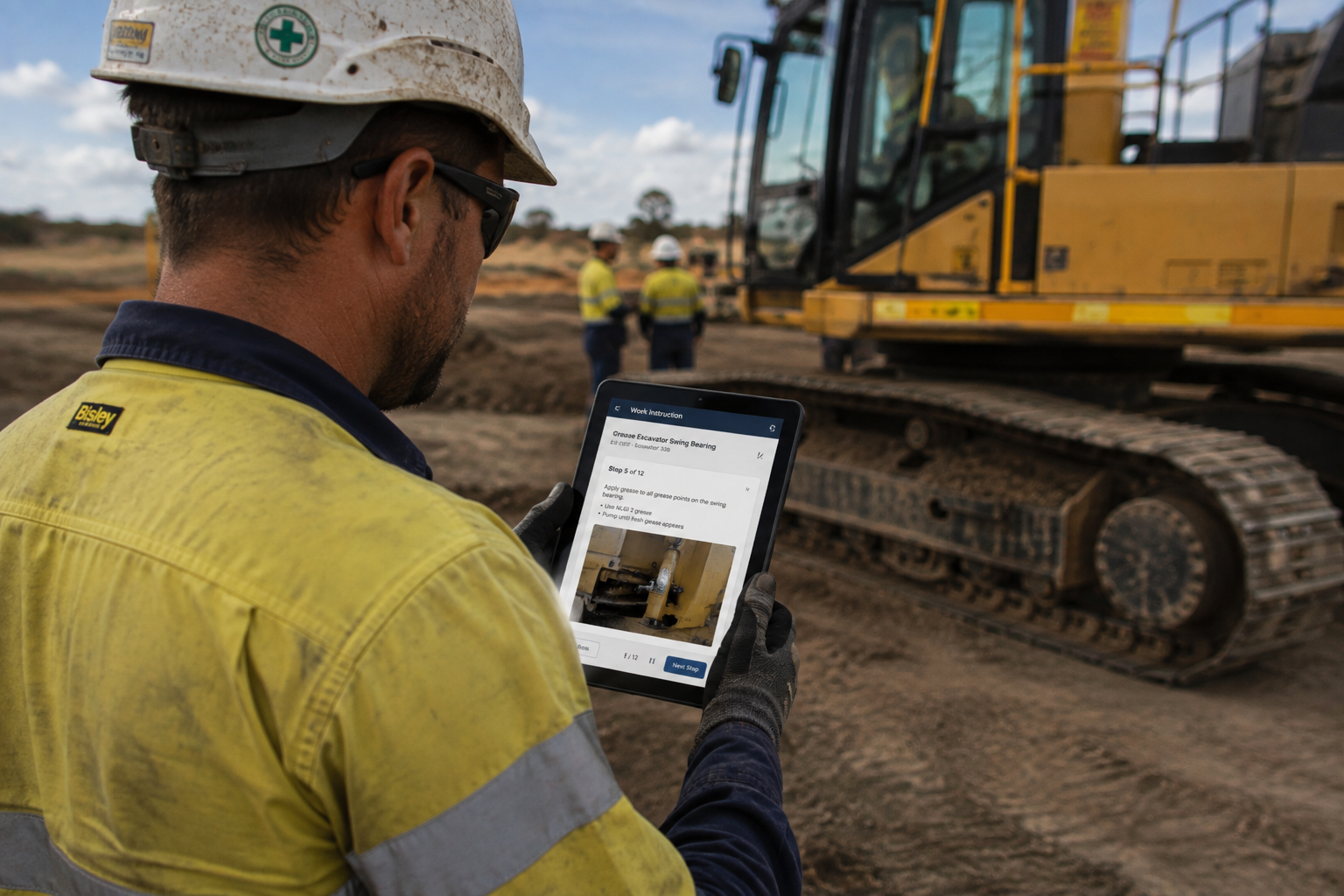
Modern work management platforms can embed feedback mechanisms directly into daily workflows. When technicians complete work orders, they can provide direct feedback on procedures, identify inefficiencies, flag missing information, or suggest improvements. This feedback flows directly to supervisors and maintenance managers who can evaluate and implement changes quickly, ensuring that every completed task becomes an opportunity to refine how work is performed.
When technicians see their suggestions implemented and processes improved based on their input, engagement increases dramatically. They become active participants in operational excellence rather than passive executors of instructions. This cultural shift is perhaps even more valuable than the specific process improvements it generates.
You cannot improve what you don't measure. Measuring performance using relevant maintenance metrics is critical for continuous improvement, providing the data necessary for informed decision-making and quantifying the success of improvement initiatives.
Key metrics for continuous improvement include:
Maintenance efficiency ratios: Track the proportion of planned versus unplanned maintenance. Industry experts estimate that unplanned maintenance can cost 3X to 9X more than planned maintenance, making this ratio a critical indicator of improvement opportunities.
Mean Time Between Failures (MTBF): Identifies which assets require process improvements or additional preventive measures. Tracking MTBF trends over time reveals whether continuous improvement efforts are enhancing reliability.
Mean Time To Repair (MTTR): Highlights opportunities for procedure refinement, better tools, or enhanced technician training. Reductions in MTTR demonstrate that continuous improvement efforts are increasing efficiency.
Preventive maintenance compliance: Measures how consistently your team executes planned maintenance. Low compliance indicates scheduling issues, resource constraints, or procedures that need refinement.
Capturing feedback is only valuable if you act on it systematically. Without structure, even the best suggestions from frontline technicians get lost in the noise of daily operations. Successful continuous improvement requires disciplined processes that evaluate, prioritise, and implement changes consistently.
Platforms like HINDSITE bridge the gap between feedback collection and action through integrated workflows. Built directly into the work order completion process, HINDSITE's feedback mechanism allows technicians to highlight procedure gaps, report inefficiencies, or recommend improvements in real-time - at the moment insights occur. Rather than suggestions disappearing into email chains or suggestion boxes, they immediately reach supervisors who can review, approve, and implement changes within the same system. This closed-loop approach ensures continuous improvement happens continuously, not occasionally.
Beyond technology, establish regular review cycles where teams analyse completed work orders, discuss challenges encountered, and identify improvement opportunities. When work takes longer than estimated or teams cannot follow planned procedures, treat these variances as learning opportunities rather than failures. Conduct root cause analysis when equipment fails to understand not just what broke, but why existing processes didn't prevent it. Document lessons learnt and update procedures immediately, ensuring that institutional knowledge compounds over time rather than remaining trapped in individuals' experience.
Start focused rather than trying to improve everything simultaneously. Identify specific processes with the largest impact potential, implement improvements in one area whilst measuring results, and expand successful changes to other areas once proven effective. This disciplined approach prevents improvement fatigue whilst building credibility through visible wins.
Preventive maintenance programmes shouldn't be static. Over time, several things change, all of which can have an impact on decisions regarding the optimum preventive maintenance programme, including changes in production rates affecting equipment deterioration, growing understanding of failure patterns and consequences, and introduction of new predictive technologies.
Continuous improvement means regularly reviewing and refining your preventive maintenance schedule based on actual failure data and changing operational conditions. Eliminate tasks that provide minimal value, add inspections for newly identified failure modes, adjust frequencies based on observed deterioration patterns, and incorporate condition monitoring data to transition from time-based to condition-based maintenance.
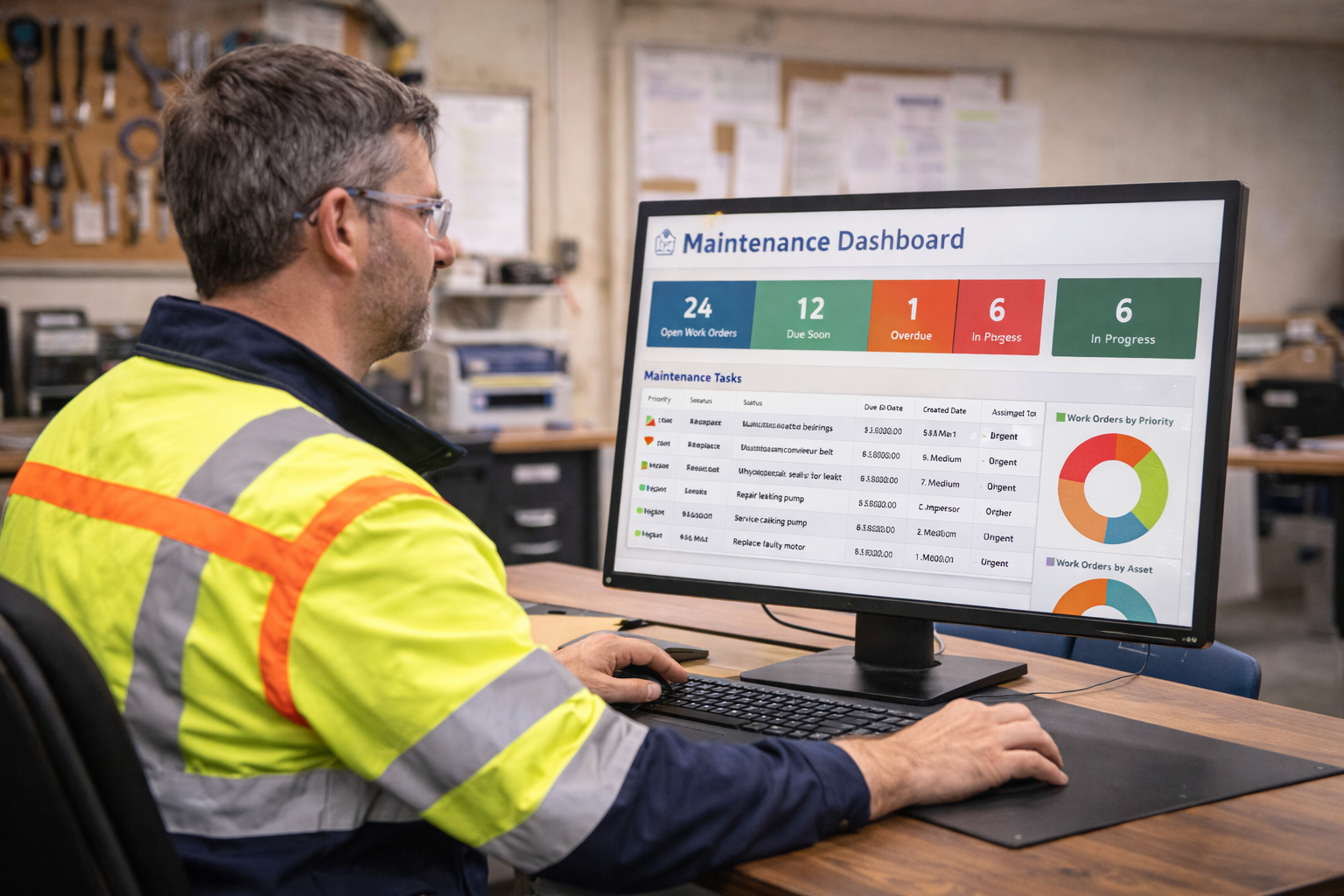
This evolution requires systematic data collection and analysis - another area where digital platforms prove invaluable. The Hindsite platform captures complete maintenance histories, enabling teams to analyse which preventive tasks effectively prevent failures and which consume resources without corresponding benefit.
Truly effective continuous improvement doesn't just optimise how maintenance is performed - it questions whether maintenance is necessary at all. An effective defect elimination process will actively and systematically seek out and progressively eliminate deficiencies by identifying and implementing practical solutions to tackle underlying root causes.
When equipment fails repeatedly, continuous improvement asks why. Is the design inadequate? Are operating conditions outside specifications? Are maintenance procedures insufficient? By addressing root causes rather than symptoms, organisations can eliminate entire categories of maintenance work, freeing resources for more strategic activities.
This proactive approach requires collaboration across departments. Maintenance teams must work with operations, engineering, and procurement to address systemic issues that cause recurring problems. Digital platforms facilitate this collaboration by providing shared visibility into failure patterns and maintenance histories that inform cross-functional problem-solving.
Motivation drives sustained continuous improvement. Recognising small achievements, such as reducing repeated failures or improving preventive compliance rates, reinforces desired behaviours. Celebrate technicians who identify significant process improvements, share success stories across teams to inspire others, and make improvement efforts visible to demonstrate organisational commitment.
Feedback mechanisms should be transparent: technicians must see how their reports and suggestions are used to refine procedures. When employees observe that their input leads to concrete changes, engagement increases and innovation becomes part of daily workflow. This transparency builds trust and encourages ongoing participation in improvement initiatives.
Continuous improvement transforms maintenance from a reactive, cost-focused function into a proactive driver of operational excellence. By systematically measuring performance, capturing frontline feedback, refining processes, and eliminating root causes of failure, organisations achieve dramatic efficiency gains whilst improving reliability and safety. Platforms like Hindsite that embed continuous improvement directly into daily workflows make this transformation practical and sustainable. The organisations that thrive aren't those with perfect processes today - they're those committed to making tomorrow's processes better than today's. In maintenance operations where every percentage point of efficiency matters, continuous improvement isn't just a philosophy - it's a competitive necessity.
HINDSITE's work management platform that ensures the right job gets done, every time. Connect with our team today.
Maintenance operations face constant pressure to do more with less - reduce costs whilst improving reliability, minimise downtime whilst extending equipment life, and increase efficiency without compromising safety. The answer isn't working harder; it's working smarter through continuous improvement. Research shows that organisations implementing systematic continuous improvement processes can reduce total maintenance costs by more than 30% whilst simultaneously improving machine reliability. The key lies in creating a culture where every process, every task, and every outcome becomes an opportunity to learn and improve.
Continuous improvement is a systematic, ongoing approach to enhancing maintenance processes, eliminating waste, and optimising performance. Rather than accepting the status quo or making occasional large-scale changes, continuous improvement involves incremental refinements based on data, feedback, and lessons learnt from daily operations.
This philosophy recognises that frontline technicians - those performing maintenance work every day, often have the best insights into what's working and what isn't. When organisations create structured mechanisms to capture this knowledge and act on it, they unlock tremendous potential for efficiency gains. The challenge is building systems that make continuous improvement natural rather than burdensome.
Traditional maintenance operations often operate with a one-way flow of information: management creates procedures, and technicians execute them. This approach misses a critical opportunity. Establishing feedback loops that encourage technicians to report issues and suggest process improvements transforms maintenance from a rigid, top-down function into an adaptive, learning organisation.
Modern work management platforms can embed feedback mechanisms directly into daily workflows. When technicians complete work orders, they can provide direct feedback on procedures, identify inefficiencies, flag missing information, or suggest improvements. This feedback flows directly to supervisors and maintenance managers who can evaluate and implement changes quickly, ensuring that every completed task becomes an opportunity to refine how work is performed.
When technicians see their suggestions implemented and processes improved based on their input, engagement increases dramatically. They become active participants in operational excellence rather than passive executors of instructions. This cultural shift is perhaps even more valuable than the specific process improvements it generates.
You cannot improve what you don't measure. Measuring performance using relevant maintenance metrics is critical for continuous improvement, providing the data necessary for informed decision-making and quantifying the success of improvement initiatives.
Key metrics for continuous improvement include:
Maintenance efficiency ratios: Track the proportion of planned versus unplanned maintenance. Industry experts estimate that unplanned maintenance can cost 3X to 9X more than planned maintenance, making this ratio a critical indicator of improvement opportunities.
Mean Time Between Failures (MTBF): Identifies which assets require process improvements or additional preventive measures. Tracking MTBF trends over time reveals whether continuous improvement efforts are enhancing reliability.
Mean Time To Repair (MTTR): Highlights opportunities for procedure refinement, better tools, or enhanced technician training. Reductions in MTTR demonstrate that continuous improvement efforts are increasing efficiency.
Preventive maintenance compliance: Measures how consistently your team executes planned maintenance. Low compliance indicates scheduling issues, resource constraints, or procedures that need refinement.
Capturing feedback is only valuable if you act on it systematically. Without structure, even the best suggestions from frontline technicians get lost in the noise of daily operations. Successful continuous improvement requires disciplined processes that evaluate, prioritise, and implement changes consistently.
Platforms like HINDSITE bridge the gap between feedback collection and action through integrated workflows. Built directly into the work order completion process, HINDSITE's feedback mechanism allows technicians to highlight procedure gaps, report inefficiencies, or recommend improvements in real-time - at the moment insights occur. Rather than suggestions disappearing into email chains or suggestion boxes, they immediately reach supervisors who can review, approve, and implement changes within the same system. This closed-loop approach ensures continuous improvement happens continuously, not occasionally.
Beyond technology, establish regular review cycles where teams analyse completed work orders, discuss challenges encountered, and identify improvement opportunities. When work takes longer than estimated or teams cannot follow planned procedures, treat these variances as learning opportunities rather than failures. Conduct root cause analysis when equipment fails to understand not just what broke, but why existing processes didn't prevent it. Document lessons learnt and update procedures immediately, ensuring that institutional knowledge compounds over time rather than remaining trapped in individuals' experience.
Start focused rather than trying to improve everything simultaneously. Identify specific processes with the largest impact potential, implement improvements in one area whilst measuring results, and expand successful changes to other areas once proven effective. This disciplined approach prevents improvement fatigue whilst building credibility through visible wins.
Preventive maintenance programmes shouldn't be static. Over time, several things change, all of which can have an impact on decisions regarding the optimum preventive maintenance programme, including changes in production rates affecting equipment deterioration, growing understanding of failure patterns and consequences, and introduction of new predictive technologies.
Continuous improvement means regularly reviewing and refining your preventive maintenance schedule based on actual failure data and changing operational conditions. Eliminate tasks that provide minimal value, add inspections for newly identified failure modes, adjust frequencies based on observed deterioration patterns, and incorporate condition monitoring data to transition from time-based to condition-based maintenance.
This evolution requires systematic data collection and analysis - another area where digital platforms prove invaluable. The Hindsite platform captures complete maintenance histories, enabling teams to analyse which preventive tasks effectively prevent failures and which consume resources without corresponding benefit.
Truly effective continuous improvement doesn't just optimise how maintenance is performed - it questions whether maintenance is necessary at all. An effective defect elimination process will actively and systematically seek out and progressively eliminate deficiencies by identifying and implementing practical solutions to tackle underlying root causes.
When equipment fails repeatedly, continuous improvement asks why. Is the design inadequate? Are operating conditions outside specifications? Are maintenance procedures insufficient? By addressing root causes rather than symptoms, organisations can eliminate entire categories of maintenance work, freeing resources for more strategic activities.
This proactive approach requires collaboration across departments. Maintenance teams must work with operations, engineering, and procurement to address systemic issues that cause recurring problems. Digital platforms facilitate this collaboration by providing shared visibility into failure patterns and maintenance histories that inform cross-functional problem-solving.
Motivation drives sustained continuous improvement. Recognising small achievements, such as reducing repeated failures or improving preventive compliance rates, reinforces desired behaviours. Celebrate technicians who identify significant process improvements, share success stories across teams to inspire others, and make improvement efforts visible to demonstrate organisational commitment.
Feedback mechanisms should be transparent: technicians must see how their reports and suggestions are used to refine procedures. When employees observe that their input leads to concrete changes, engagement increases and innovation becomes part of daily workflow. This transparency builds trust and encourages ongoing participation in improvement initiatives.
Continuous improvement transforms maintenance from a reactive, cost-focused function into a proactive driver of operational excellence. By systematically measuring performance, capturing frontline feedback, refining processes, and eliminating root causes of failure, organisations achieve dramatic efficiency gains whilst improving reliability and safety. Platforms like Hindsite that embed continuous improvement directly into daily workflows make this transformation practical and sustainable. The organisations that thrive aren't those with perfect processes today - they're those committed to making tomorrow's processes better than today's. In maintenance operations where every percentage point of efficiency matters, continuous improvement isn't just a philosophy - it's a competitive necessity.


.png)
.png)