This article is one of our favourites from around the web. We've included an excerpt below but do go and read the original!
If you run technicians, work orders, or physical assets in the field, you've probably run into the same headaches over and over: a technician arrives on-site without the right parts, a work order gets logged twice, an inspection report sits in someone's truck for a week before anyone sees it. These aren't isolated problems - they're symptoms of field operations that have outgrown spreadsheets and phone calls.
That's where field service management comes in. This guide breaks down what field service management actually is, how it works, and why it matters specifically for industrial service teams juggling complex assets, compliance requirements, and distributed crews.
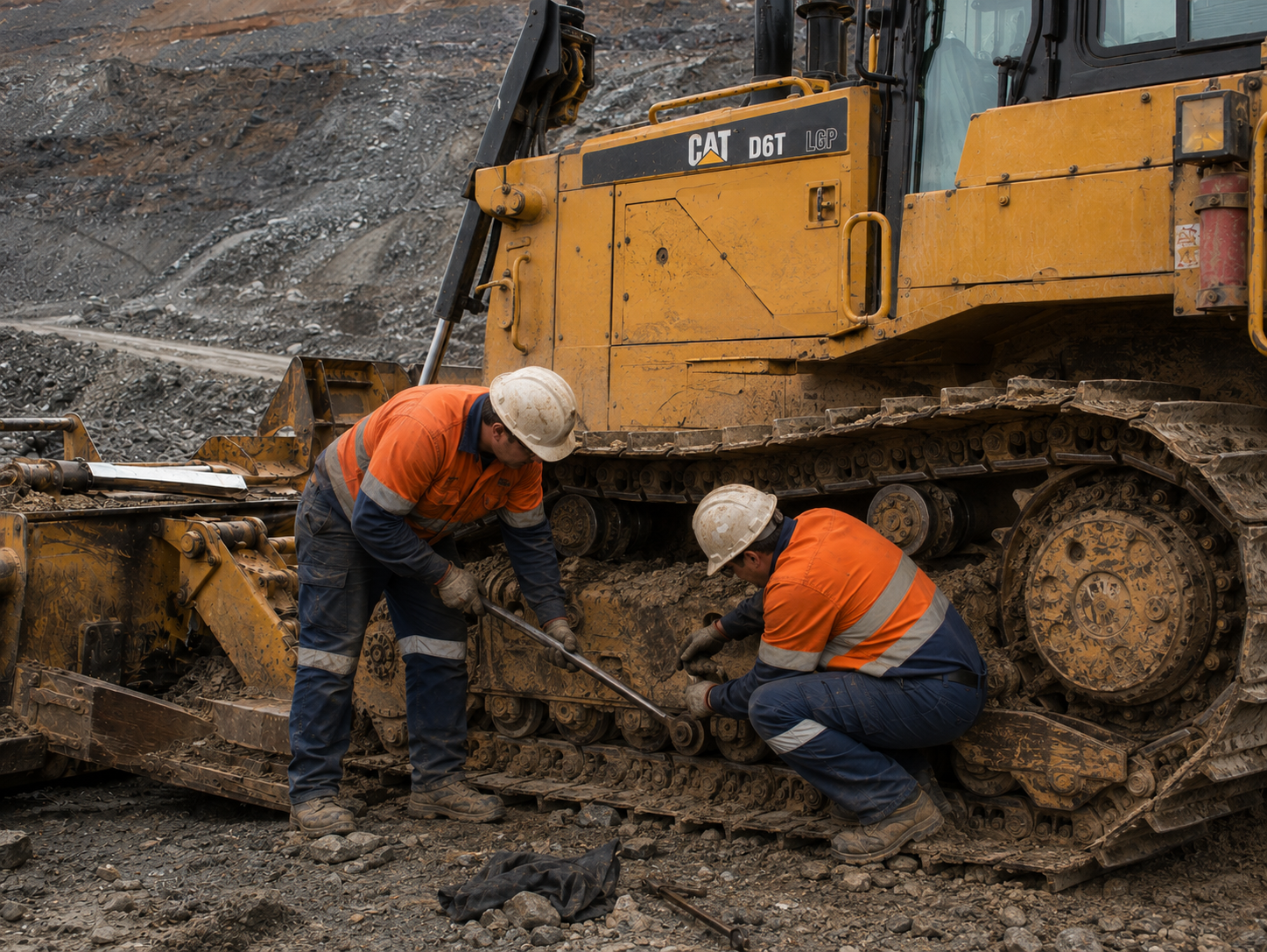
Field service management (FSM) is the set of processes and tools used to coordinate the people, equipment, and information involved in delivering service outside a company's own facilities - think technicians repairing machinery at a customer site, inspectors checking pipeline integrity, or crews maintaining industrial equipment across multiple locations.
At its core, FSM answers a few deceptively simple questions:
For a two-person operation, these questions might get answered with a phone call and a notebook. For an industrial service team managing dozens of technicians, hundreds of assets, and strict regulatory requirements, the same questions require a system - which is where field operations management software becomes essential rather than optional.
Most field service management systems are built around a handful of interconnected functions. Understanding these helps clarify what "good" FSM actually looks like in practice.
1. Work Order Management
Work orders are the backbone of field service - they define what needs to happen, who's responsible, what's required to complete it, and the record of what actually occurred. Modern field service operations software replaces paper tickets and email chains with a centralized system where work orders can be created, assigned, updated, and closed out in real time, with a full audit trail attached.
2. Scheduling and Dispatch
Getting the right technician to the right job at the right time - with the right skills and parts - is one of the hardest logistical problems in field service. Scheduling tools take into account technician availability, location, certifications, and job priority to optimize dispatch, reducing windshield time and missed appointments.
3. Asset and Equipment Tracking
Industrial service teams don't just manage people - they manage physical assets, often across multiple sites, with their own maintenance histories, warranty terms, and compliance requirements. Asset tracking within an FSM platform keeps a running history of every piece of equipment: when it was serviced, by whom, what parts were used, and when it's due for the next inspection.
4. Inspections and Compliance
For industries like utilities, oil and gas, manufacturing, and construction, inspections aren't optional - they're regulatory requirements with real consequences for getting them wrong. Field operations and inspections software builds standardized checklists, digital forms, and photo/video documentation directly into the workflow, so compliance records are captured accurately the first time instead of being reconstructed after the fact.
5. Mobile Access for Field Technicians
Technicians in the field need access to work orders, asset histories, manuals, and forms without hauling around paperwork or waiting for a callback to the office. Mobile-enabled FSM tools let field staff update job status, log parts used, capture signatures, and flag issues in real time - even in low-connectivity environments common on industrial sites.
6. Reporting and Analytics
None of the above matters much if you can't see the patterns behind it. Reporting tools built into field service management platforms surface metrics like first-time fix rate, average response time, technician utilization, and recurring equipment failures - turning day-to-day service delivery into decisions about staffing, inventory, and preventive maintenance.
Industrial service operations carry a different weight than, say, scheduling a home appliance repair. The assets are more expensive, the safety stakes are higher, the compliance requirements are stricter, and the cost of downtime is measured in production hours, not inconvenience. A few reasons FSM has become critical for this sector specifically:
Downtime is expensive, and often preventable. When field operations management software connects maintenance history with scheduling, teams can move from reactive repairs to preventive maintenance - catching failures before they cause unplanned downtime.
Compliance isn't optional. Regulated industries need defensible, timestamped records of every inspection and repair. Manual or paper-based systems make this painfully slow to produce during an audit; digital field service operations tools make it a search query.
Distributed teams need a single source of truth. When technicians, supervisors, and back-office staff are all working from the same real-time data, fewer things fall through the cracks - no more work orders that exist in one person's inbox and nowhere else.
Customer and stakeholder expectations have risen. Whether the "customer" is an external client or an internal plant manager, there's a growing expectation of visibility: knowing when a technician will arrive, what was done, and what it cost - without having to ask.
Industrial service teams that haven't yet centralised their field operations tend to run into the same set of problems:
Field service management software is built specifically to close these gaps - replacing fragmented, manual processes with a connected system that gives every stakeholder, from technician to executive, visibility into service delivery as it happens.
If your team is evaluating field service management software for the first time, a few questions can help narrow the field:
Field service management isn't about replacing your technicians' expertise - it's about giving them, and everyone coordinating around them, the information they need to do the job right the first time.
HINDSITE's work management platform that ensures the right job gets done, every time. Connect with our team today.
If you run technicians, work orders, or physical assets in the field, you've probably run into the same headaches over and over: a technician arrives on-site without the right parts, a work order gets logged twice, an inspection report sits in someone's truck for a week before anyone sees it. These aren't isolated problems - they're symptoms of field operations that have outgrown spreadsheets and phone calls.
That's where field service management comes in. This guide breaks down what field service management actually is, how it works, and why it matters specifically for industrial service teams juggling complex assets, compliance requirements, and distributed crews.
Field service management (FSM) is the set of processes and tools used to coordinate the people, equipment, and information involved in delivering service outside a company's own facilities - think technicians repairing machinery at a customer site, inspectors checking pipeline integrity, or crews maintaining industrial equipment across multiple locations.
At its core, FSM answers a few deceptively simple questions:
For a two-person operation, these questions might get answered with a phone call and a notebook. For an industrial service team managing dozens of technicians, hundreds of assets, and strict regulatory requirements, the same questions require a system - which is where field operations management software becomes essential rather than optional.
Most field service management systems are built around a handful of interconnected functions. Understanding these helps clarify what "good" FSM actually looks like in practice.
1. Work Order Management
Work orders are the backbone of field service - they define what needs to happen, who's responsible, what's required to complete it, and the record of what actually occurred. Modern field service operations software replaces paper tickets and email chains with a centralized system where work orders can be created, assigned, updated, and closed out in real time, with a full audit trail attached.
2. Scheduling and Dispatch
Getting the right technician to the right job at the right time - with the right skills and parts - is one of the hardest logistical problems in field service. Scheduling tools take into account technician availability, location, certifications, and job priority to optimize dispatch, reducing windshield time and missed appointments.
3. Asset and Equipment Tracking
Industrial service teams don't just manage people - they manage physical assets, often across multiple sites, with their own maintenance histories, warranty terms, and compliance requirements. Asset tracking within an FSM platform keeps a running history of every piece of equipment: when it was serviced, by whom, what parts were used, and when it's due for the next inspection.
4. Inspections and Compliance
For industries like utilities, oil and gas, manufacturing, and construction, inspections aren't optional - they're regulatory requirements with real consequences for getting them wrong. Field operations and inspections software builds standardized checklists, digital forms, and photo/video documentation directly into the workflow, so compliance records are captured accurately the first time instead of being reconstructed after the fact.
5. Mobile Access for Field Technicians
Technicians in the field need access to work orders, asset histories, manuals, and forms without hauling around paperwork or waiting for a callback to the office. Mobile-enabled FSM tools let field staff update job status, log parts used, capture signatures, and flag issues in real time - even in low-connectivity environments common on industrial sites.
6. Reporting and Analytics
None of the above matters much if you can't see the patterns behind it. Reporting tools built into field service management platforms surface metrics like first-time fix rate, average response time, technician utilization, and recurring equipment failures - turning day-to-day service delivery into decisions about staffing, inventory, and preventive maintenance.
Industrial service operations carry a different weight than, say, scheduling a home appliance repair. The assets are more expensive, the safety stakes are higher, the compliance requirements are stricter, and the cost of downtime is measured in production hours, not inconvenience. A few reasons FSM has become critical for this sector specifically:
Downtime is expensive, and often preventable. When field operations management software connects maintenance history with scheduling, teams can move from reactive repairs to preventive maintenance - catching failures before they cause unplanned downtime.
Compliance isn't optional. Regulated industries need defensible, timestamped records of every inspection and repair. Manual or paper-based systems make this painfully slow to produce during an audit; digital field service operations tools make it a search query.
Distributed teams need a single source of truth. When technicians, supervisors, and back-office staff are all working from the same real-time data, fewer things fall through the cracks - no more work orders that exist in one person's inbox and nowhere else.
Customer and stakeholder expectations have risen. Whether the "customer" is an external client or an internal plant manager, there's a growing expectation of visibility: knowing when a technician will arrive, what was done, and what it cost - without having to ask.
Industrial service teams that haven't yet centralised their field operations tend to run into the same set of problems:
Field service management software is built specifically to close these gaps - replacing fragmented, manual processes with a connected system that gives every stakeholder, from technician to executive, visibility into service delivery as it happens.
If your team is evaluating field service management software for the first time, a few questions can help narrow the field:
Field service management isn't about replacing your technicians' expertise - it's about giving them, and everyone coordinating around them, the information they need to do the job right the first time.