This article is one of our favourites from around the web. We've included an excerpt below but do go and read the original!
Every field service leader faces the same tension. Lean too heavily on planned maintenance and you risk over-servicing equipment, tying up technicians on jobs that weren't urgent, and losing the flexibility to respond when something genuinely breaks. Lean too heavily on reactive work and costs spiral: emergency callouts, unplanned downtime, and technicians constantly firefighting instead of getting ahead of problems.
Neither extreme works well on its own. The teams that run the most efficient field service operations aren't purely planned or purely reactive; they've found a deliberate balance between the two, and they use data to keep adjusting it. Here's how to think through that balance for your own team.
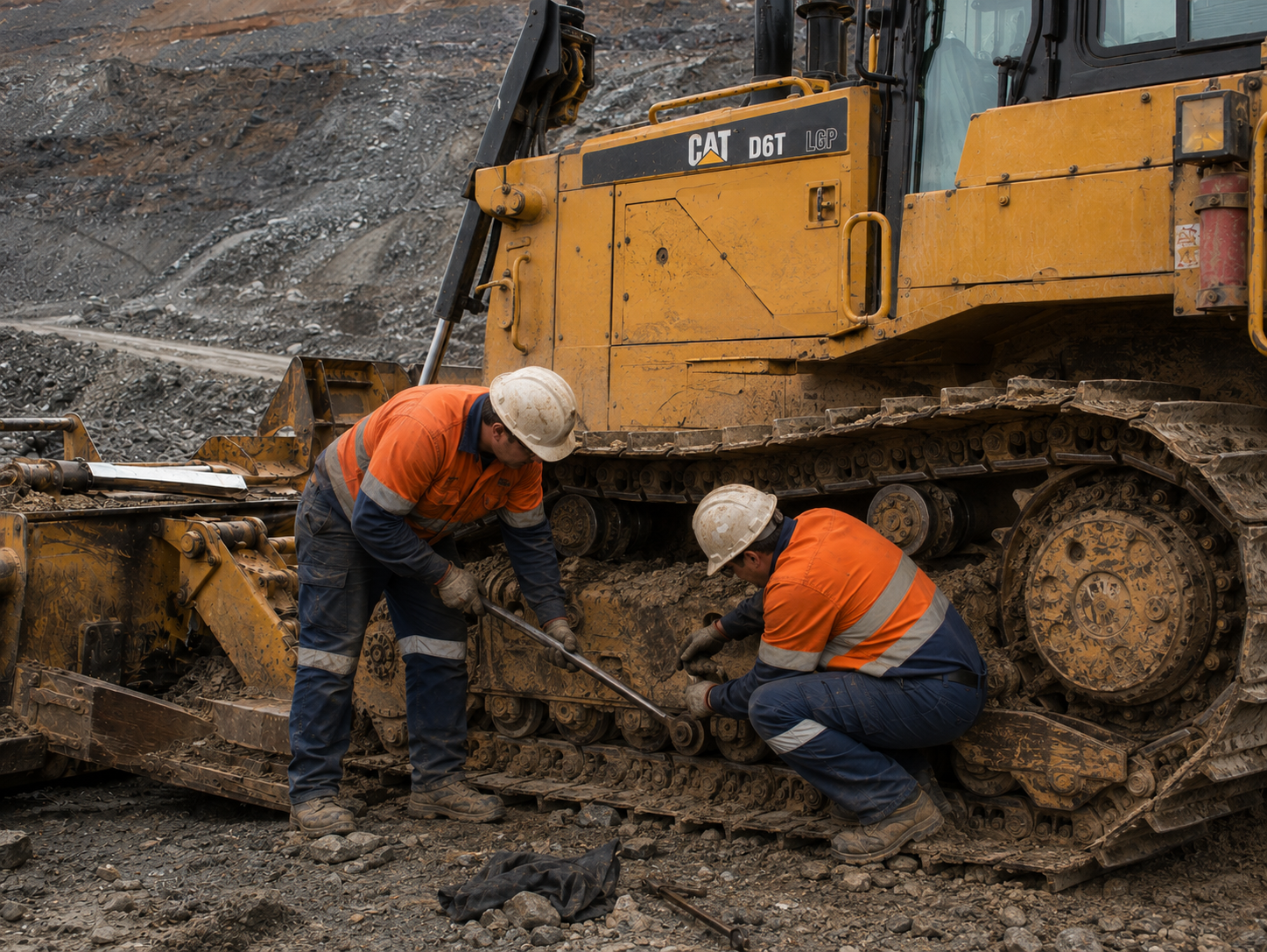
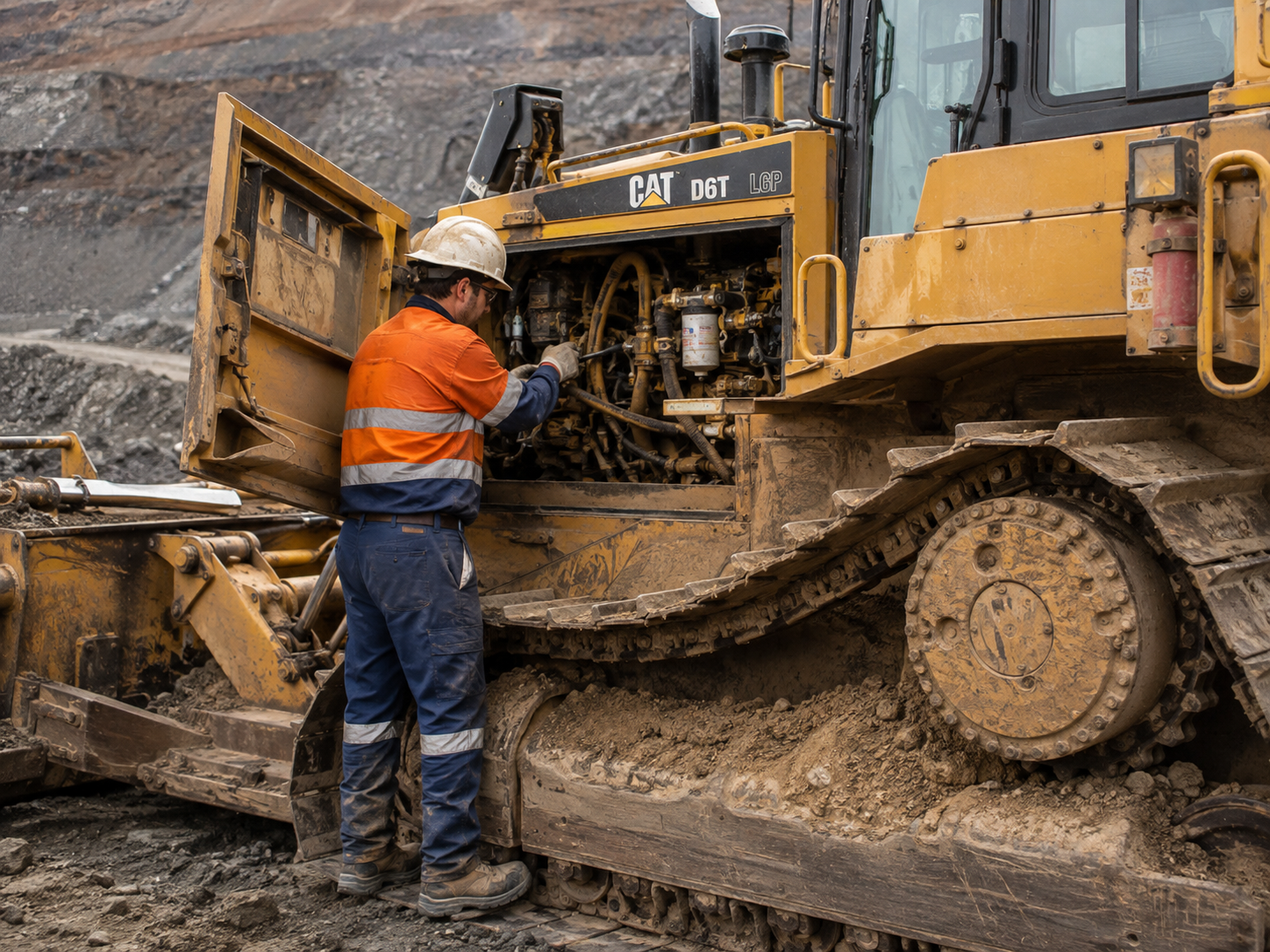
Planned, or preventive, field service covers work that's scheduled in advance based on time, usage, or condition, rather than triggered by a failure. This includes routine inspections, scheduled servicing, calibration, and parts replacement based on expected wear.
The upside is predictability. Planned work can be scheduled during low-demand periods, batched by location to reduce travel time, and staffed with the right technician well in advance. It also tends to catch small issues before they become expensive failures, extending the working life of equipment and reducing the likelihood of unplanned downtime.
The downside is cost if it's overdone. Servicing equipment more often than it actually needs wastes technician time and parts, and an overly rigid planned schedule can leave little capacity to respond when something urgent comes up.
Reactive field service is work triggered by something that's already gone wrong: a breakdown, an alarm, a customer callout. It's unavoidable, no amount of planning eliminates every failure, and for some assets, reactive maintenance is genuinely the more cost-effective approach (low-value equipment that's cheap to replace, for instance, rarely justifies a preventive maintenance program).
The problem is when reactive work becomes the default mode of operating rather than the exception. Purely reactive service tends to come with higher costs per job (emergency callouts, rush parts orders, overtime), more unplanned downtime for the customer, and a workforce that's permanently stretched thin, since there's no way to plan capacity around jobs that only appear once something breaks.
There's no single ratio of planned to reactive work that applies across every industrial service operation, because the right balance depends heavily on what's being serviced.
Getting this balance right, asset by asset, is exactly the kind of decision that's hard to make well without good data. This is where a platform like HINDSITE becomes genuinely useful: by tracking asset history, repair frequency, and failure patterns in one place, service leaders can see which equipment is being over-serviced, which is failing more often than expected, and where the planned-to-reactive ratio actually needs to shift, rather than relying on gut feel or outdated servicing schedules.
A few practical signals can indicate your current mix of planned and reactive work needs adjusting:
Too reactive:
Too planned:
1. Start with asset-level data, not company-wide policy. A blanket "service everything every six months" policy almost never matches the actual failure patterns of a diverse fleet of equipment. Segment assets by criticality and usage, and adjust planned maintenance frequency accordingly.
2. Track repeat failures and near-misses. If the same asset keeps generating reactive callouts despite being on a planned maintenance schedule, that's a sign the schedule, not the philosophy, needs adjusting: either more frequent servicing, or a different kind of inspection altogether.
3. Build reactive capacity into planned schedules. Rather than booking technicians at full capacity with planned work, leave deliberate slack in the schedule for reactive jobs, so an emergency callout doesn't automatically mean every other planned appointment that day gets pushed back.
4. Review the balance regularly, not once. The right mix of planned and reactive work shifts as equipment ages, as usage patterns change, and as new assets come online. Treat the balance as something to revisit quarterly, not a decision made once and left alone.
There's no universal formula for the perfect split between planned and reactive field service. The goal isn't to eliminate reactive work entirely, some of it is normal and even cost-effective, but to make sure planned maintenance is targeted at the assets and failure modes where it actually pays off, and that reactive capacity is built in rather than constantly disruptive.
Getting this right consistently comes down to having clear visibility into asset history, failure patterns, and technician capacity, so decisions about scheduling are based on real data rather than habit or guesswork.
HINDSITE's work management platform that ensures the right job gets done, every time. Connect with our team today.
Every field service leader faces the same tension. Lean too heavily on planned maintenance and you risk over-servicing equipment, tying up technicians on jobs that weren't urgent, and losing the flexibility to respond when something genuinely breaks. Lean too heavily on reactive work and costs spiral: emergency callouts, unplanned downtime, and technicians constantly firefighting instead of getting ahead of problems.
Neither extreme works well on its own. The teams that run the most efficient field service operations aren't purely planned or purely reactive; they've found a deliberate balance between the two, and they use data to keep adjusting it. Here's how to think through that balance for your own team.
Planned, or preventive, field service covers work that's scheduled in advance based on time, usage, or condition, rather than triggered by a failure. This includes routine inspections, scheduled servicing, calibration, and parts replacement based on expected wear.
The upside is predictability. Planned work can be scheduled during low-demand periods, batched by location to reduce travel time, and staffed with the right technician well in advance. It also tends to catch small issues before they become expensive failures, extending the working life of equipment and reducing the likelihood of unplanned downtime.
The downside is cost if it's overdone. Servicing equipment more often than it actually needs wastes technician time and parts, and an overly rigid planned schedule can leave little capacity to respond when something urgent comes up.
Reactive field service is work triggered by something that's already gone wrong: a breakdown, an alarm, a customer callout. It's unavoidable, no amount of planning eliminates every failure, and for some assets, reactive maintenance is genuinely the more cost-effective approach (low-value equipment that's cheap to replace, for instance, rarely justifies a preventive maintenance program).
The problem is when reactive work becomes the default mode of operating rather than the exception. Purely reactive service tends to come with higher costs per job (emergency callouts, rush parts orders, overtime), more unplanned downtime for the customer, and a workforce that's permanently stretched thin, since there's no way to plan capacity around jobs that only appear once something breaks.
There's no single ratio of planned to reactive work that applies across every industrial service operation, because the right balance depends heavily on what's being serviced.
Getting this balance right, asset by asset, is exactly the kind of decision that's hard to make well without good data. This is where a platform like HINDSITE becomes genuinely useful: by tracking asset history, repair frequency, and failure patterns in one place, service leaders can see which equipment is being over-serviced, which is failing more often than expected, and where the planned-to-reactive ratio actually needs to shift, rather than relying on gut feel or outdated servicing schedules.
A few practical signals can indicate your current mix of planned and reactive work needs adjusting:
Too reactive:
Too planned:
1. Start with asset-level data, not company-wide policy. A blanket "service everything every six months" policy almost never matches the actual failure patterns of a diverse fleet of equipment. Segment assets by criticality and usage, and adjust planned maintenance frequency accordingly.
2. Track repeat failures and near-misses. If the same asset keeps generating reactive callouts despite being on a planned maintenance schedule, that's a sign the schedule, not the philosophy, needs adjusting: either more frequent servicing, or a different kind of inspection altogether.
3. Build reactive capacity into planned schedules. Rather than booking technicians at full capacity with planned work, leave deliberate slack in the schedule for reactive jobs, so an emergency callout doesn't automatically mean every other planned appointment that day gets pushed back.
4. Review the balance regularly, not once. The right mix of planned and reactive work shifts as equipment ages, as usage patterns change, and as new assets come online. Treat the balance as something to revisit quarterly, not a decision made once and left alone.
There's no universal formula for the perfect split between planned and reactive field service. The goal isn't to eliminate reactive work entirely, some of it is normal and even cost-effective, but to make sure planned maintenance is targeted at the assets and failure modes where it actually pays off, and that reactive capacity is built in rather than constantly disruptive.
Getting this right consistently comes down to having clear visibility into asset history, failure patterns, and technician capacity, so decisions about scheduling are based on real data rather than habit or guesswork.