This article is one of our favourites from around the web. We've included an excerpt below but do go and read the original!
Long production cycles rarely come from one big delay. They’re usually the result of dozens of small slowdowns that compound over time.
❌ Technicians searching for the latest instructions.
❌ Waiting on clarification from another team.
❌ Jobs paused during shift handovers.
❌ Rework triggered by missing or unclear steps.
Individually, these delays seem minor. Together, they stretch production cycles well beyond what was planned.
In many assembly and manufacturing environments, work depends heavily on people knowing where to find information - or who to ask.
Common causes of extended production cycles include:
When information isn’t available at the point of work, progress slows and schedules slip.
The fastest way to shorten production cycles is to remove friction from day-to-day execution.
Leading teams are doing this by:
When technicians don’t need to stop and search for information, work keeps moving.
Shift changes, role changes, and site transitions are common points where work stalls.
With clear digital records of what’s been completed, what’s outstanding, and what needs attention next, teams can:
This continuity keeps production moving, even as people change.
Another contributor to long production cycles is limited visibility into live work.
When supervisors and planners rely on end-of-shift updates or manual check-ins, small blockers can go unnoticed until they’ve already caused delays.
Improved visibility allows teams to:
Catching delays early helps keep production on track.
Speed shouldn’t come at the expense of quality. Clear guidance, real-time visibility, and in-process verification often reduce both delays and rework.
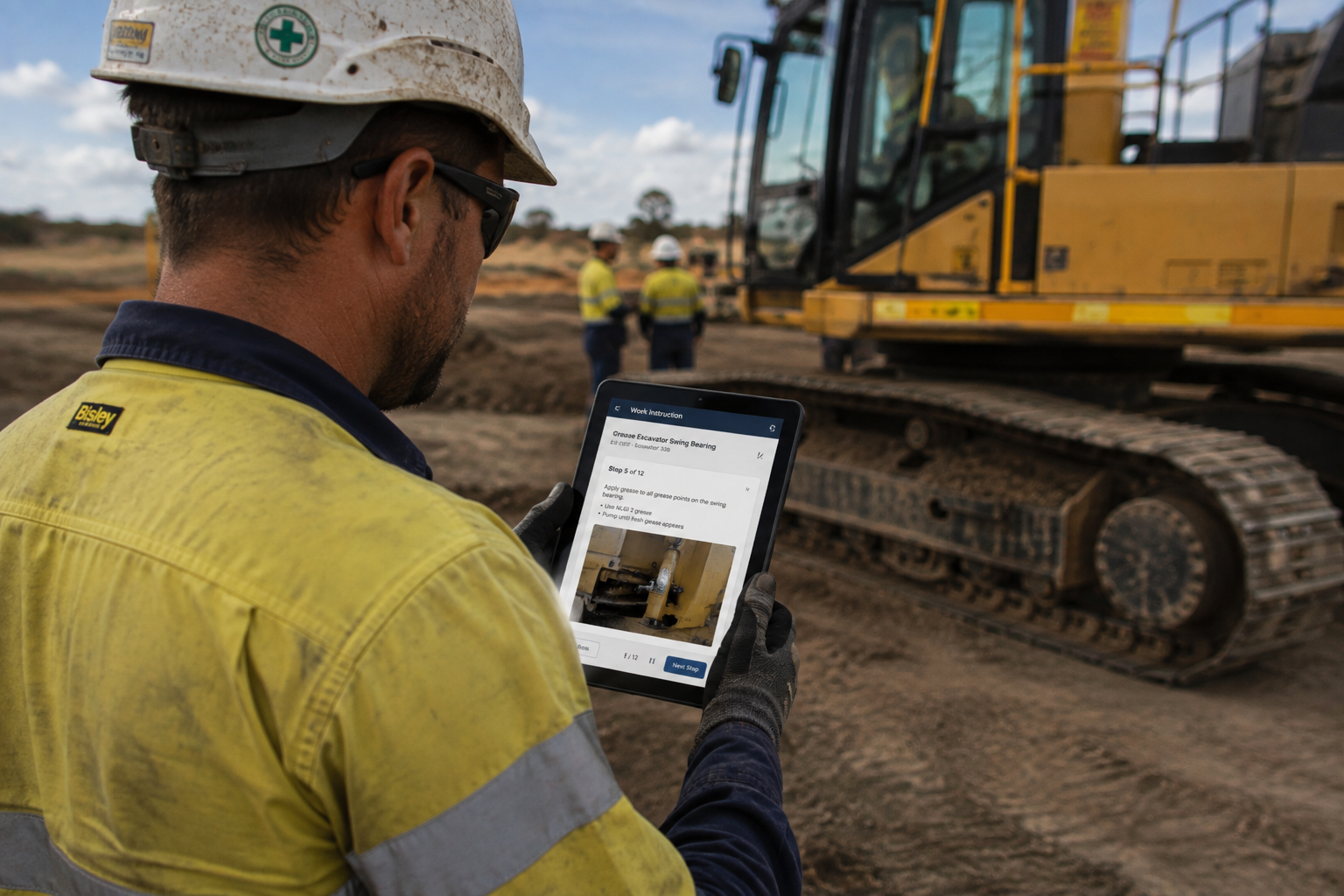
Digital work instruction platforms like HINDSITE help teams put the right information in front of the right people at the right time - reducing search time, smoothing handovers, and keeping production flowing.
Because shorter production cycles start with clearer execution.
HINDSITE's work management platform that ensures the right job gets done, every time. Connect with our team today.
Long production cycles rarely come from one big delay. They’re usually the result of dozens of small slowdowns that compound over time.
❌ Technicians searching for the latest instructions.
❌ Waiting on clarification from another team.
❌ Jobs paused during shift handovers.
❌ Rework triggered by missing or unclear steps.
Individually, these delays seem minor. Together, they stretch production cycles well beyond what was planned.
In many assembly and manufacturing environments, work depends heavily on people knowing where to find information - or who to ask.
Common causes of extended production cycles include:
When information isn’t available at the point of work, progress slows and schedules slip.
The fastest way to shorten production cycles is to remove friction from day-to-day execution.
Leading teams are doing this by:
When technicians don’t need to stop and search for information, work keeps moving.
Shift changes, role changes, and site transitions are common points where work stalls.
With clear digital records of what’s been completed, what’s outstanding, and what needs attention next, teams can:
This continuity keeps production moving, even as people change.
Another contributor to long production cycles is limited visibility into live work.
When supervisors and planners rely on end-of-shift updates or manual check-ins, small blockers can go unnoticed until they’ve already caused delays.
Improved visibility allows teams to:
Catching delays early helps keep production on track.
Speed shouldn’t come at the expense of quality. Clear guidance, real-time visibility, and in-process verification often reduce both delays and rework.
Digital work instruction platforms like HINDSITE help teams put the right information in front of the right people at the right time - reducing search time, smoothing handovers, and keeping production flowing.
Because shorter production cycles start with clearer execution.